A theme is a shortcut for decisions: the cake, the invitation, the game and one photo backdrop. It is not a licence to buy a themed version of every paper plate. Pick one, spend on the four things the kids look at, and let the rest be plain in one colour.
Read the transcript
Kids' party themes and décor.
A theme is a shortcut for decisions: the cake, the invitation, the game and one photo backdrop.
It is not a licence to buy a themed version of every paper plate.
Themes by age.
The theme is for the photo.
A number-one balloon, a simple backdrop in two colours, a smash cake and a high chair with a banner.
Where the décor money shows.
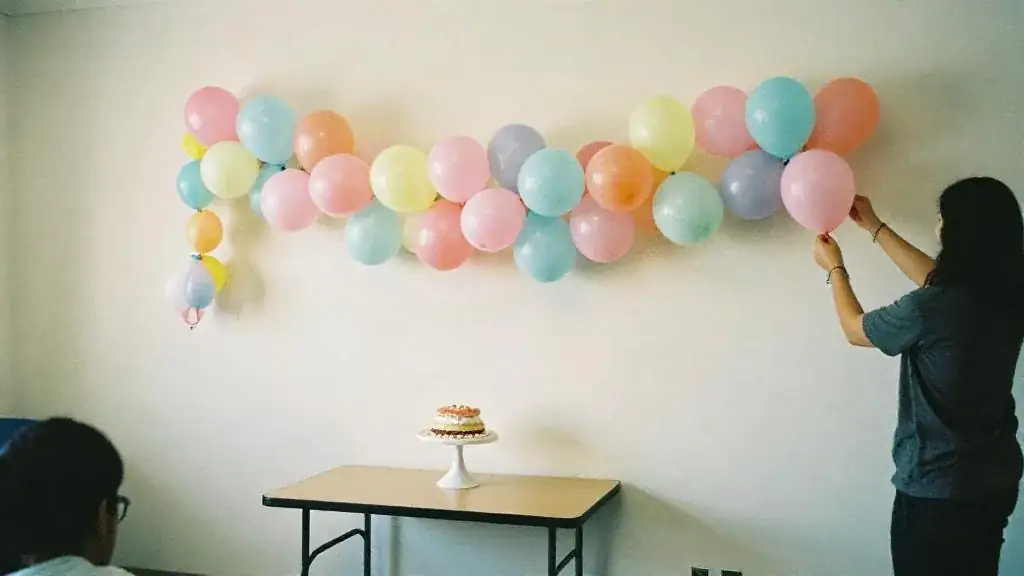
One wall, one balloon garland (typical GTA range from a balloon vendor is 120 dollars and up; a DIY kit is far less) or a fabric backdrop, the cake in front of it. This is the photo that will be posted and the one the grandparents receive.
Children look at the cake for longer than they look at anything else in the room. A good themed cake from a nut-free bakery beats every banner in the budget.
Décor on a community centre or venue budget.
Most GTA kids' parties spend 40 to 200 dollars on décor (typical range), and the budget page treats it as the line with the worst return.
Three ways to keep it there: choose a colour palette of two colours and buy plain plates and cloths in those; make one balloon garland the only "big" piece; and reuse the backdrop for the thank-you photo.
Safety rules that come with the décor.
Balloons: latex is a common allergy; ask on the invitation. Uninflated and burst latex balloons are a choking hazard for under-3s, so pick them up as they pop.
Candles: many community centres, play cafés and activity venues do not allow open flame. Ask, and bring a battery candle for the photo.
Maya's 6th.
Eighteen kids, Sunday 1 to 3 p.m., an Etobicoke community centre room, 900, dollars with 50 dollars on décor.
The theme was magic, chosen because the entertainer was a magician.
The full guide, with tables and checklists, continues below this video.
Themes by age
First birthday
The theme is for the photo. A number-one balloon, a simple backdrop in two colours, a smash cake and a high chair with a banner. “Wild one”, “one in a melon”, rainbow, boho neutrals, a season. Keep it to one corner of the room; the adults are the audience.
Ages 2 to 4
Whatever the child is currently obsessed with: trucks, dinosaurs, farm animals, a particular animated character, bubbles, rainbows, under the sea. Decorate at the child’s eye level (a metre off the floor), because that is where they look. A themed craft doubles as the first 20 minutes of program and as the favour.
Ages 5 to 8
The age of the strong theme and the age where the theme can run the party: pirates, superheroes, princesses and knights, space, dinosaurs, magic (which pairs with the magician), circus (which pairs with a circus-skills show), science lab, jungle safari, unicorns, video-game characters, sports. Brief the entertainer on the theme; most children’s magicians will tie the show to it, and a circus performer in costume is the décor. One game, one craft and the cake in theme; the plates can be plain.
Ages 9 to 12
Lighter touch, or no theme at all, because a 10-year-old can tell when a party has been themed at them. Themes that survive the age: escape room or spy mission (works at home with printable puzzles), glow and neon with blacklights, a movie night with a proper screen, a sports tournament, a cooking challenge, a game-show format with a host, a sleepover with a set program. The colour palette matters more than the characters.
Run the party theme generator for a palette, a game list, a food list and an invitation line against the age and the venue type.
Where the décor money shows
- The photo backdrop. One wall, one balloon garland (typical GTA range from a balloon vendor is $120 and up; a DIY kit is far less) or a fabric backdrop, the cake in front of it. This is the photo that will be posted and the one the grandparents receive.
- The cake. Children look at the cake for longer than they look at anything else in the room. A good themed cake from a nut-free bakery beats every banner in the budget.
- The entertainer’s costume or the activity. A circus performer in costume, a character visit, a science show with equipment: these are the décor as far as the kids are concerned.
- The favour. One decent themed item (a book, a craft kit, a small toy that lasts) over a bag of themed plastic.
Everything else is invisible to anyone under nine. A community centre room with a balloon garland on one wall and plain tablecloths in the theme colour is a themed party; the same room with a themed banner, themed plates, themed napkins and a themed tablecloth is the same party at twice the décor cost.
Décor on a community centre or venue budget
Most GTA kids’ parties spend $40–$200 on décor (typical range), and the budget page treats it as the line with the worst return. Three ways to keep it there: choose a colour palette of two colours and buy plain plates and cloths in those; make one balloon garland the only “big” piece; and reuse the backdrop for the thank-you photo. Many venues and community centres do not allow anything taped or pinned to walls, so a free-standing backdrop frame or a garland on a table edge is safer than assuming. Setup time is inside your booking, so décor that takes more than 20 minutes to put up is décor you will not finish.
Safety rules that come with the décor
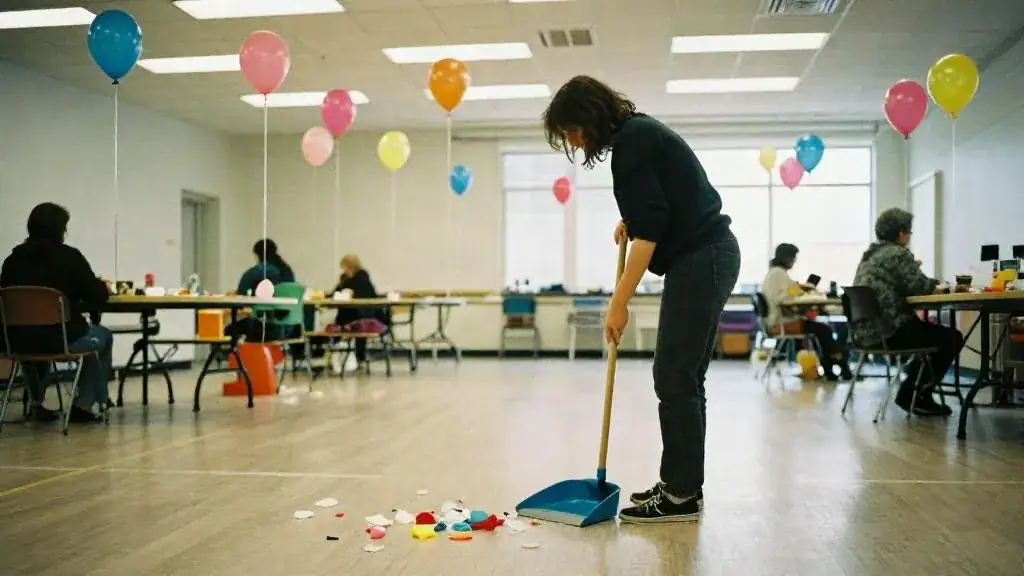
- Balloons: latex is a common allergy; ask on the invitation. Uninflated and burst latex balloons are a choking hazard for under-3s, so pick them up as they pop. Do not release helium balloons outdoors. Foil balloons are the safer choice at a first or second birthday.
- Candles: many community centres, play cafés and activity venues do not allow open flame. Ask, and bring a battery candle for the photo. At home, keep the lighter in a pocket, not on the table.
- Small parts: confetti, beads, small favours and craft pieces are a hazard for under-3s, who at a mixed-age party are the younger siblings nobody planned for. Keep a spare sibling-safe favour or two.
- Strings and ribbons: balloon strings and bunting at child height are a strangulation risk for toddlers; keep them above head height or off the floor plan.
- Glow products and blacklights (9–12 theme): fine, but keep a lit path to the washroom and the exit.
- Costumes and characters: masks and full costumes frighten some 2- to 4-year-olds. Ask the performer how they approach a scared child, and give the child a parent to retreat to.
Maya’s 6th
Eighteen kids, Sunday 1–3 p.m., an Etobicoke community centre room, $900, with $50 on décor. The theme was magic, chosen because the entertainer was a magician. The décor was a purple and gold balloon garland on a free-standing frame (the centre did not allow tape on the walls), plain purple tablecloths and gold plates, a cake with a top hat and a wand from a nut-free bakery, and a small magic-trick book as the favour. The banner nobody saw was the only wasted $12. The magician wore a purple tie; that was the rest of the theme, and the parents said it looked deliberate.
Related guides, venues and vendors
Kids’ party checklist
Kids’ Birthdays
The printable kids' birthday party checklist, grouped by phase. Progress saves in your browser.
Read more
Pickering Museum Village
Pickering · up to 108 guests
Pickering Museum Village is a City of Pickering heritage museum with restored buildings and heritage gardens in Greenwood.
Read more
Kids’ party planning timeline
Kids’ Birthdays
Eight weeks out to the day after: what to book when for a kids' birthday party in the GTA, by age.
Read more