Everything on EventPlans.ca that goes deeper on kids’ birthday parties: articles on the problems planners run into most, the tools to use next, the lessons in the free Academy, and the hubs that overlap with this one.
Read the transcript
Related articles and tools.
Everything on the site tagged for kids' birthdays: examples from real GTA parties with the numbers, articles that go deeper on single problems (the whole-class invitation, the nut-free cake, the park permit), and the tools most parents open next.
How to use this page.
They show what a real GTA party looks like at that age: the venue type, the headcount, the budget line by line, the run of show, and the section at the end titled "what we would change", which is where the lessons live.
Maya's 6th (eighteen kids, Sunday 1 to 3 p.m., an Etobicoke community centre room, 900 dollars) is the example used across this hub and is written up in full as an example, with the room booking, the magician's confirmation email and the invitation wording included.
Articles.
Longer reads on the recurring problems: the whole-class invitation and how schools handle it, nut-free and allergy planning parents can trust, how to vet a children's entertainer, Toronto and GTA park permits for a birthday picnic, the two-hour run of show that avoids meltdowns, no-gifts wording that people respect, and the first birthday as an adult party with a baby in it.
Tools.
The three tools kids' party planners open most: the budget calculator with "Social" selected, the food quantity calculator for pizza and cake counts, and the party theme generator, which produces a palette, a game list, a food list and an invitation line for the age and the venue.
Read in this order.
The hub overview for the by-age shape and the three things GTA parents get wrong.
The venue guide, because the room decides the rest.
Where kids' parties overlap other hubs.
A first birthday is a family party with a baby in it, and borrows from the weddings hub on the things that matter to adults: a restaurant private room, a set menu, dietary codes on the RSVP and one photo moment.
A large backyard or park party for a 7-year-old with a tent, an inflatable and a generator borrows from the outdoor-event pages: tent permits above 60 square metres, distance from structures, a rain plan with a real room, and the Parks permit process.
Academy lessons.
The free course uses Maya's 6th as the running example in its social-events module: the lessons on run of show, supervision ratios, allergy planning and vetting vendors are taught against the same eighteen kids and the same 900. dollars
The Academy is free and the worksheets are printable; the kids' party lessons take about an hour to work through.
The full guide, with tables and checklists, continues below this video.
Articles
Longer reads on the recurring problems: the whole-class invitation and how schools handle it, nut-free and allergy planning parents can trust, how to vet a children’s entertainer, Toronto and GTA park permits for a birthday picnic, the two-hour run of show that avoids meltdowns, no-gifts wording that people respect, and the first birthday as an adult party with a baby in it.
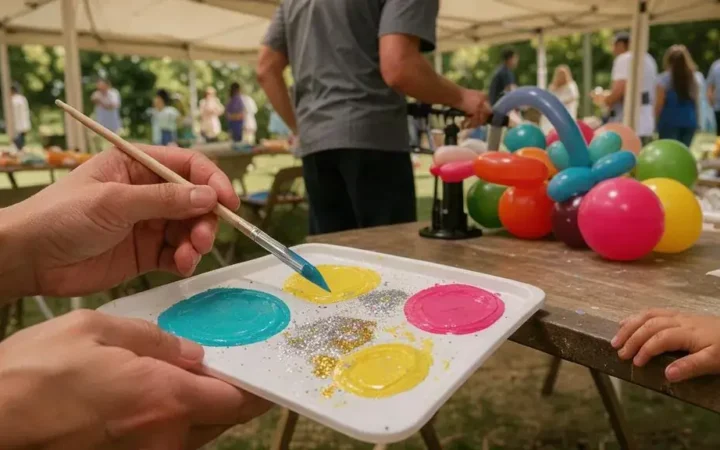
What a kids’ party entertainer costs in the GTA
October 3, 2026 · 1 min read
Magicians, face painters, balloon artists, characters and circus workshops: 2026 price ranges, what is included, and how to book.
Read more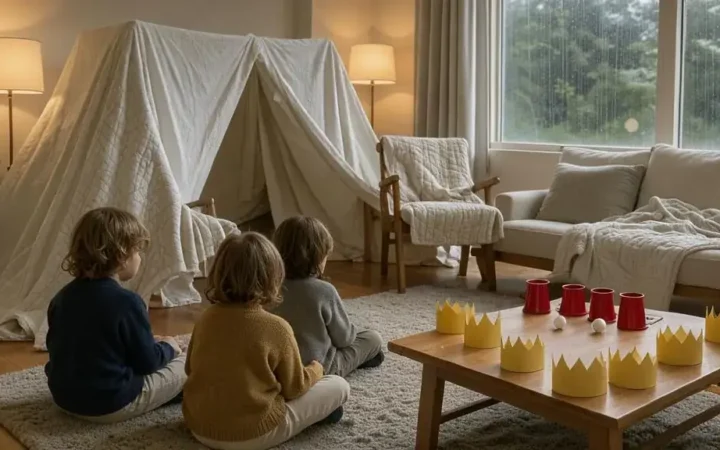
50 kids’ birthday party ideas in Toronto
October 1, 2026 · 2 min read
Fifty ideas sorted by age and budget, from a backyard magic show to a trampoline park takeover, with GTA price notes.
Read more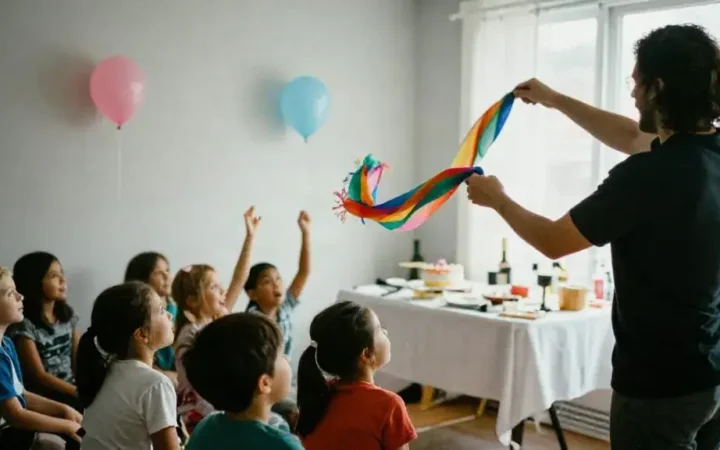
Hiring a birthday party magician in Toronto: what to expect and what it costs
September 11, 2026 · 5 min read
Comedy magic and illusions that turn a 30th, 40th, 50th or retirement party into the celebration everyone talks about.
Read moreTools
The three tools kids’ party planners open most: the budget calculator with “Social” selected, the food quantity calculator for pizza and cake counts, and the party theme generator, which produces a palette, a game list, a food list and an invitation line for the age and the venue.
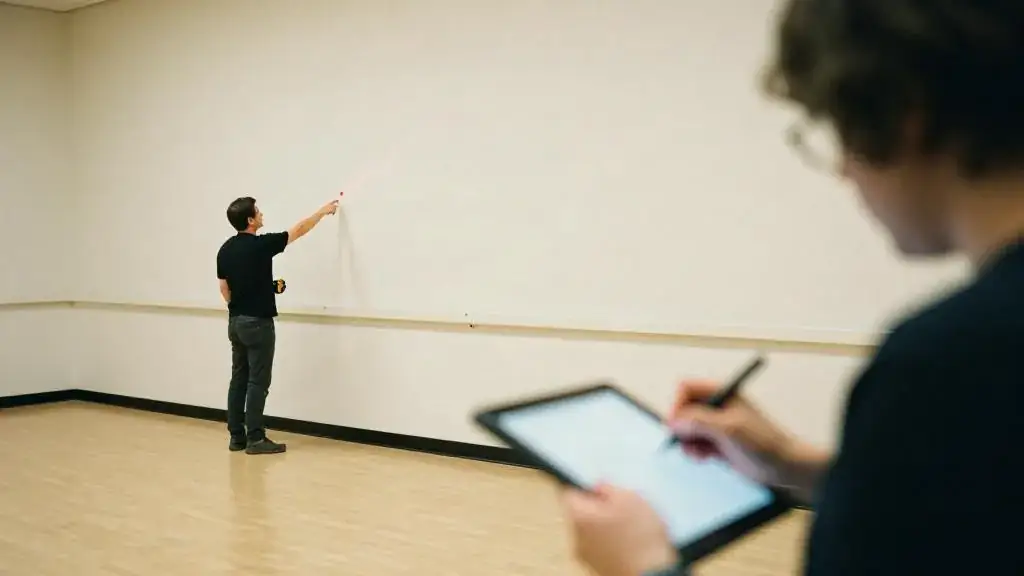
Event budget calculator
Calculators
Estimate an event budget line by line from your guest count, meal, drinks and venue, with your province's sales tax and the…
Read more
Wedding budget splitter
Calculators
Wedding budget breakdown from your guest count, dinner style and city: venue and catering first, then everything else.
Read more
Venue capacity calculator
Calculators
Turn room dimensions in metres or feet into banquet, cocktail, theatre, classroom, U-shape and cabaret capacities.
Read moreRead in this order
- The hub overview for the by-age shape and the three things GTA parents get wrong.
- The venue guide, because the room decides the rest.
- The timeline to see what you need to book this week.
- The budget guide with the table of typical GTA costs and the Maya’s 6th breakdown.
- Entertainment for what works at each age and how to vet a performer.
- Food and drink for the nut-free process and the quantities.
- Themes and décor once the venue and the entertainer are booked.
- Etiquette and FAQs for the whole-class, drop-off, gifts and photo questions.
- The checklist, printed, on the fridge.
Where kids’ parties overlap other hubs
A first birthday is a family party with a baby in it, and borrows from the weddings hub on the things that matter to adults: a restaurant private room, a set menu, dietary codes on the RSVP and one photo moment. A large backyard or park party for a 7-year-old with a tent, an inflatable and a generator borrows from the outdoor-event pages: tent permits above 60 m², distance from structures, a rain plan with a real room, and the Parks permit process. A 12-year-old’s party at an activity venue with a DJ is a small social event and the holiday party entertainment page on timing a show against food and music applies almost unchanged. Read sideways when the party does not fit the age template, which happens with twins, with mixed-age cousin parties and with any party where grandparents outnumber children.
Academy lessons
The free course uses Maya’s 6th as the running example in its social-events module: the lessons on run of show, supervision ratios, allergy planning and vetting vendors are taught against the same eighteen kids and the same $900. The Academy is free and the worksheets are printable; the kids’ party lessons take about an hour to work through.
Related guides, venues and vendors
Hiring a birthday party magician in Toronto: what to expect and what it costs
September 11, 2026 · 5 min read
Comedy magic and illusions that turn a 30th, 40th, 50th or retirement party into the celebration everyone talks about.
Read more
Station Gallery
Whitby · 150–299 guests
Free parking
The gallery occupies the former Whitby Junction Station, a Grand Trunk Railway station built in 1903.
Read more
Pickering Museum Village
Pickering · up to 108 guests
Pickering Museum Village is a City of Pickering heritage museum with restored buildings and heritage gardens in Greenwood.
Read more