Short labels (V, VG, GF, DF, NUT, H, K) placed on the seating chart so servers deliver the right plate.
Read the transcript
Dietary codes.
Short labels (V, VG, GF, DF, NUT, H, K) placed on the seating chart so servers deliver the right plate.
How it works in practice.
Codes travel with the guest, not with the menu.
They start as a question on the RSVP, become a column in your guest list, and end up as a small mark on the escort card or place card and a code beside the seat number on the seating chart the banquet captain holds.
How to handle it.
Ask on the RSVP, with a short line saying why: so the kitchen can prepare the right meal.
Separate allergies from preferences. A severe allergy gets a clear flag, such as the code in bold or a coloured dot on the place card.
In Ontario and the GTA.
Dietary needs are personal information, and some reveal health or religion.
Under pipeda, collect only what you need, say why, protect it and delete it after the event.
More detail, examples and common mistakes are on this page, below the video.
How it works in practice
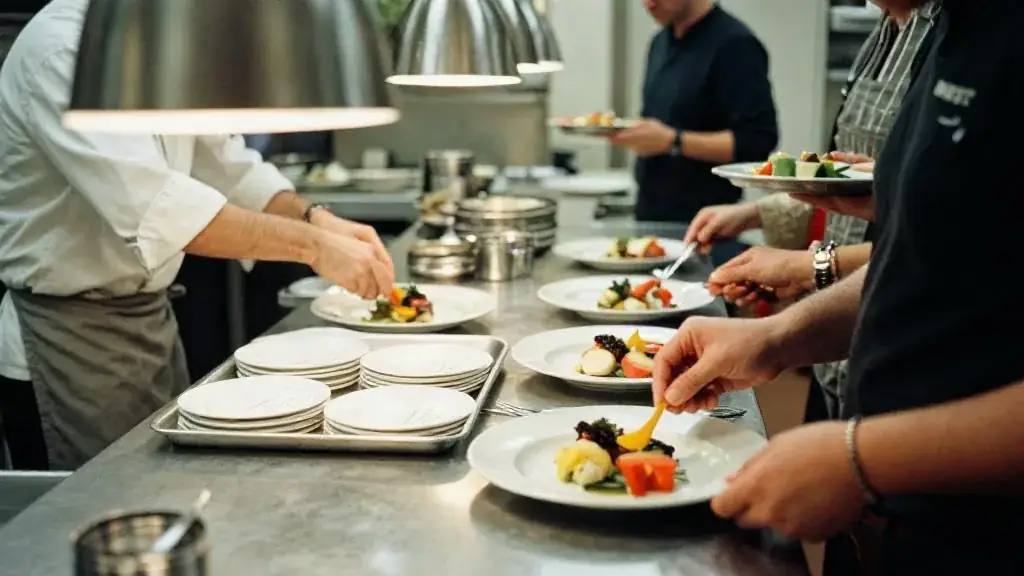
Codes travel with the guest, not with the menu. They start as a question on the RSVP, become a column in your guest list, and end up as a small mark on the escort card or place card and a code beside the seat number on the seating chart the banquet captain holds. On the night, a server looks at seat 4 at table 12, sees GF/NUT, and picks up the right plate.
| Code | Meaning |
|---|---|
| V | Vegetarian |
| VG | Vegan |
| GF | Gluten-free |
| DF | Dairy-free |
| NUT | Nut allergy |
| H | Halal |
| K | Kosher (usually sealed meals from a certified kitchen) |
Agree the code list with the caterer before you print anything. If the kitchen uses its own symbols, use theirs.
How to handle it
- Ask on the RSVP, with a short line saying why: so the kitchen can prepare the right meal.
- Separate allergies from preferences. A severe allergy gets a clear flag, such as the code in bold or a coloured dot on the place card.
- Send the caterer a count by code and a list by table and seat at the final numbers cut-off date.
- Check that the counts appear on the BEO.
- Brief the banquet captain at the pre-service meeting, table by table.
- Make sure vendor meals and performers with dietary needs are on the list too.
In Ontario and the GTA
Dietary needs are personal information, and some reveal health or religion. Under PIPEDA, collect only what you need, say why, protect it and delete it after the event. The AODA practical checklist also expects dietary and sensory needs to be collected on the RSVP, so build the question in from the start. In a city as diverse as Toronto, halal, vegetarian and no-pork requests are routine at almost every event, and a mixed wedding guest list can make them the majority.
Questions to ask
- How does the kitchen prevent cross-contact for nut and gluten allergies?
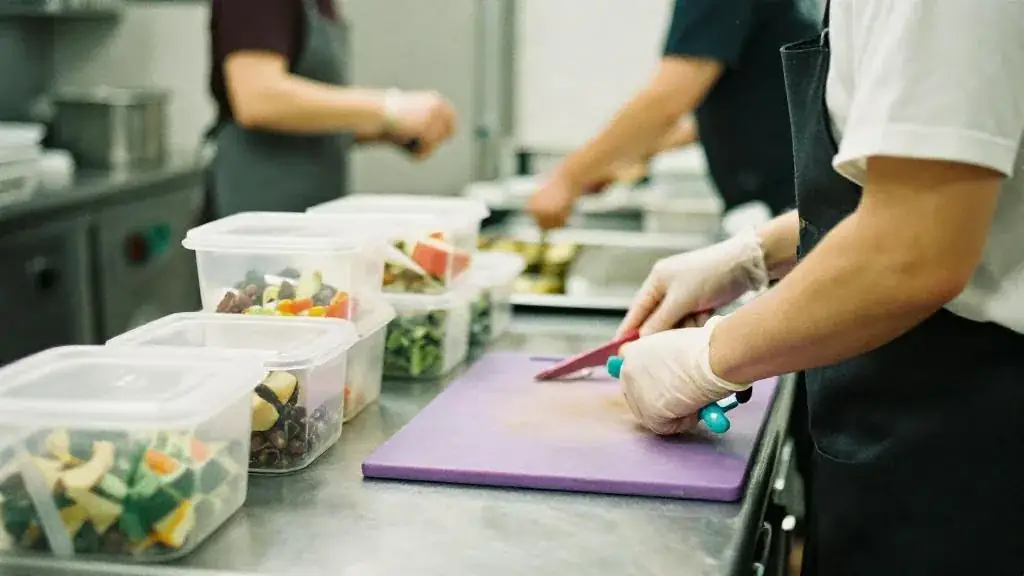
- Are halal and kosher meals prepared on site or brought in sealed?
- For family style or stations, how are coded guests served?
Related tools
Track codes alongside seating in your event plan, and use the food quantity calculator for the main counts.
Why it matters
Codes on the chart beat lists in emails; servers work from the chart.
Example
Table 12, seat 4: GF/NUT.
Common mistakes
- Collecting dietary needs the week of instead of on the RSVP
Related guides, venues and vendors
Corkage
Food & Beverage
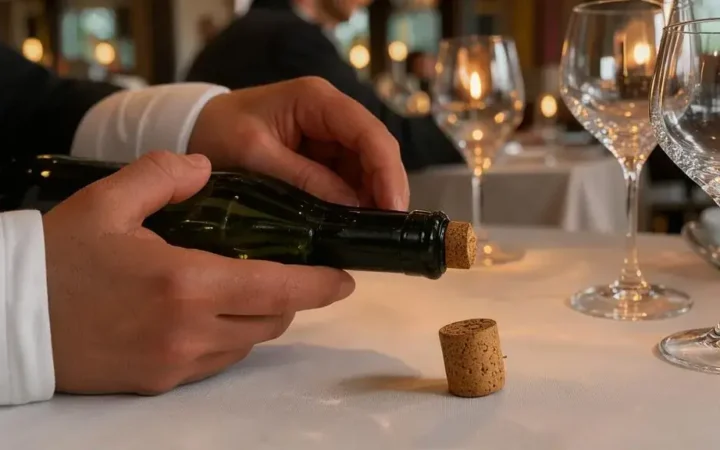
A per-bottle fee a venue charges for alcohol you supply instead of buying from them.
Read more
Load-in
Production & AV
The process of bringing equipment and materials into a venue, through a dock or elevator, at scheduled times.
Read more
Dance floor sizing
Venue & Layout
Rule of thumb: about 0.4 m² (4 sq ft) for each guest dancing at the same time, and usually only a third…
Read more