A performer who moves through the crowd performing for small groups: close-up magic, caricature, mentalism.
Read the transcript
Strolling act.
A performer who moves through the crowd performing for small groups: close-up magic, caricature, mentalism.
How it works in practice.
A strolling performer walks up to a group, performs for five to ten minutes, and moves on.
Nothing needs to be built, wired or lit.
Worked numbers.
The usual guidance for a cocktail hour is one performer per 40 to 60 guests; over a longer two-hour reception, one per 60 to 80 is usually enough because each performer reaches more groups.
For budgeting, a close-up magician runs 600 to 1,500 dollars for two hours (typical GTA range, 2026).
Questions to ask.
How long is the set, and how are breaks handled in a longer booking?
Does the act need a table, a power outlet or a quiet corner?
More detail, examples and common mistakes are on this page, below the video.
How it works in practice
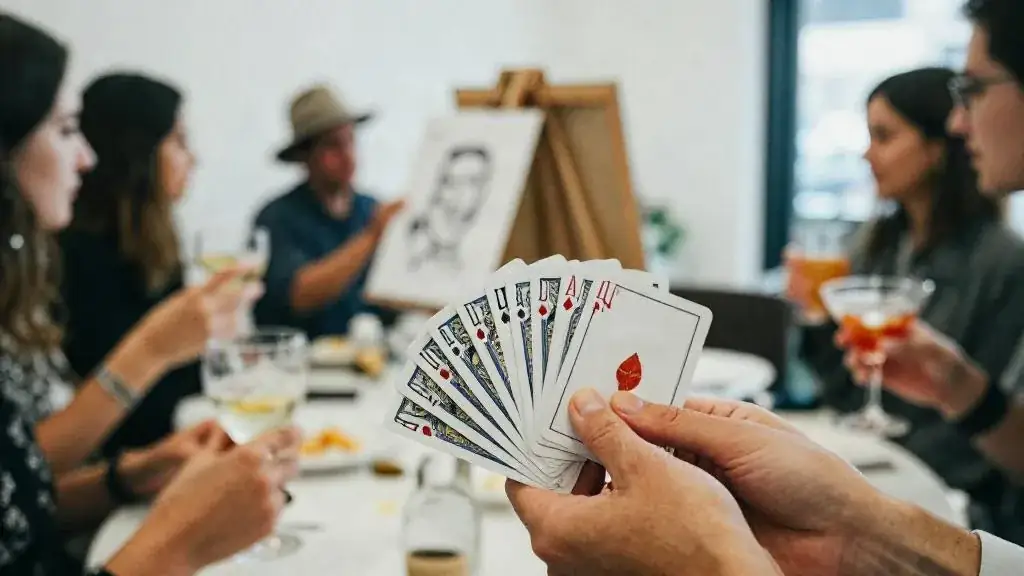
A strolling performer walks up to a group, performs for five to ten minutes, and moves on. Nothing needs to be built, wired or lit. The act does need a room that lets it work: groups that can hear each other, enough light to see hands and cards, and some space that is not the bar line. Brief the performer on who the hosts and VIPs are, which areas to avoid, and when to stop.
Strolling acts fit the gaps in a program: arrivals, the cocktail hour, the walk from reception to dinner, the wait before the first course. The Harbour Gala uses two strolling magicians in the 25 minutes before first plate, when guests are seated and the room would otherwise go quiet. They stop when plates land; nobody performs over dinner service.
Worked numbers
The usual guidance for a cocktail hour is one performer per 40–60 guests; over a longer two-hour reception, one per 60–80 is usually enough because each performer reaches more groups.
| Guests | 60-minute cocktail hour | Two-hour reception |
|---|---|---|
| 80 | 1–2 | 1 |
| 150 | 3 | 2 |
| 250 | 4–6 | 3–4 |
| 400 | 7–10 | 5–7 |
For budgeting, a close-up magician runs $600–$1,500 for two hours (typical GTA range, 2026). Mix act types for larger rooms: a magician, a caricaturist and stilt walkers reach different guests.
Questions to ask
- How long is the set, and how are breaks handled in a longer booking?
- Does the act need a table, a power outlet or a quiet corner?
- What does the performer wear, and can it match the dress code or theme?
- Can they work seated tables as well as standing groups?
- Do they carry liability insurance and can they send a certificate?
Related tools
Use the entertainment hours planner to place performers in the program and the entertainment finder to shortlist acts. See also close-up magic, mentalism and roaming entertainment. Directory listings owned by the site founder carry a visible disclosure and get no ranking preference.
Why it matters
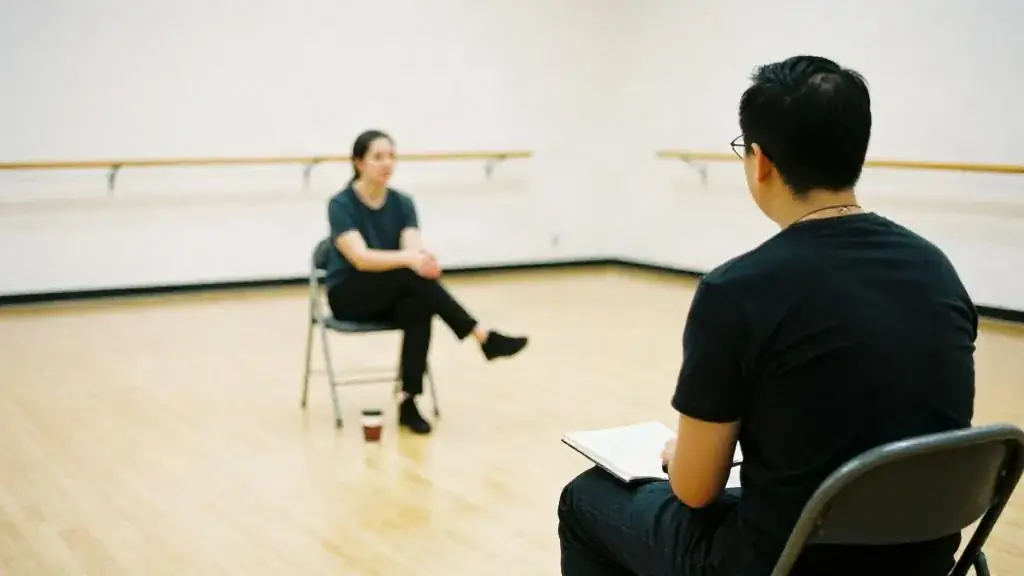
Strolling acts need no stage or AV and scale with guest count: one per 60–80 guests for two hours.
Example
Two strolling magicians during a 90-minute cocktail hour for 150.
Common mistakes
- Booking strolling acts during dinner service
- No introduction, so guests do not know they can engage
Related guides, venues and vendors
Cancellation clause
Business & Legal
The contract terms stating what is owed if either party cancels, usually on a sliding scale by date.
Read more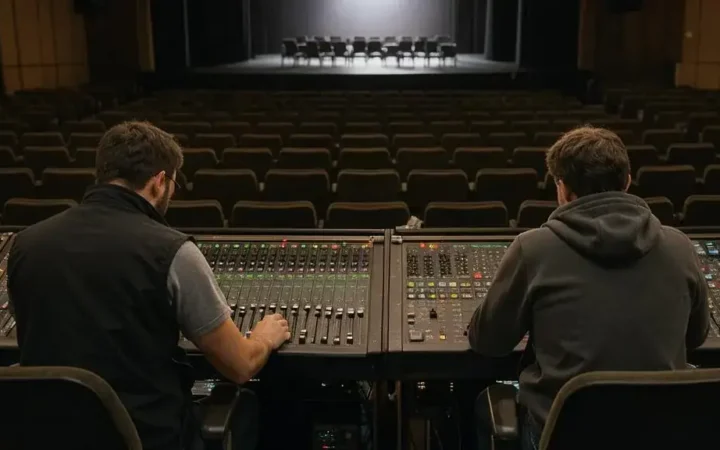
Front of house
Production & AV
The area and the technical position facing the stage where sound and lighting are controlled; also the guest-facing side of an operation.
Read more
DMX
Production & AV
The digital control protocol that lighting consoles use to control fixtures.
Read more