Discovery, concept, planning, production, execution, wrap-up. Every lesson in this course sits in one of these phases, and most failures come from skipping one.
Read the transcript
The event lifecycle: six phases.
Discovery, concept, planning, production, execution, wrap-up.
Every lesson in this course sits in one of these phases, and most failures come from skipping one.
The six phases.
Who is this for, what must happen, what does success look like, and what is the envelope? Ends with a one-page brief.
Format, theme, guest journey, venue type. Ends with a creative brief and a proposal the client signs.
Where each task lives.
Planners get into trouble by doing a task in the wrong phase.
Booking a band before the venue is signed (planning before concept) means the band may not fit the room.
What closes each phase.
A phase is finished when its document exists and the client has agreed to it.
If you cannot point to the document, you are still in that phase whatever the calendar says.
Ontario lead times that shape the calendar.
Several deadlines are set by law or by how slowly institutions move, and they belong on the master timeline before anything else.
Work backward from the event date.
Questions to ask at each phase boundary.
Leaving discovery: has the client read the brief and changed at least one thing? If they changed nothing, they did not read it.
Leaving concept: has the deposit cleared, and does the signed proposal name the venue, the date and the envelope?
That is the lesson. The worksheet and the quiz are just below this video.
What you will be able to do
- List the six phases in order
- Place common tasks in the correct phase
- Recognise the symptoms of a skipped phase
The six phases
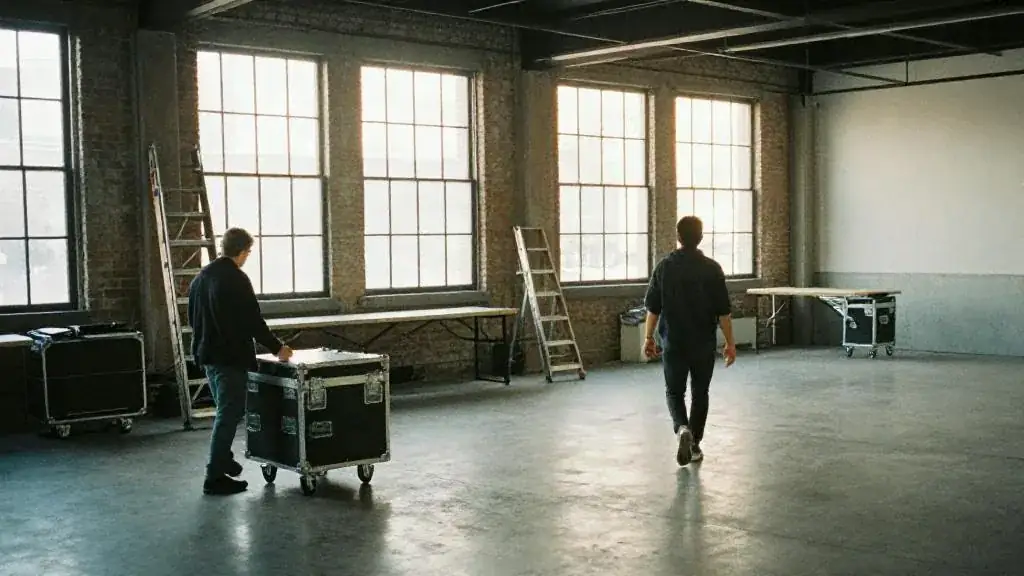
- Discovery. Who is this for, what must happen, what does success look like, and what is the envelope? Ends with a one-page brief.
- Concept. Format, theme, guest journey, venue type. Ends with a creative brief and a proposal the client signs.
- Planning. Venue contract, vendor team, budget, permits, invitations, master timeline. The longest phase, usually 60–80 percent of the calendar.
- Production. The final four to six weeks: run of show, production schedule, final numbers, seating, briefings.
- Execution. Load-in, doors, program, strike. One day, sometimes two.
- Wrap-up. Payments, survey, debrief, project write-up. Two weeks.
Where each task lives
Planners get into trouble by doing a task in the wrong phase. Booking a band before the venue is signed (planning before concept) means the band may not fit the room. Writing the run of show in the planning phase, before final numbers, means rewriting it. Sending the survey a month after the event (late wrap-up) halves the response rate.
| Task | Phase |
|---|---|
| Agree the budget envelope | Discovery |
| Choose the venue | Concept (shortlist) to Planning (contract) |
| Apply for a Special Occasion Permit | Planning, at least 10 days before a private event or 30 before a public one |
| Collect certificates of insurance | Planning, with each contract |
| Write the run of show | Production |
| Brief the staff | Execution, 30 minutes before doors |
| Send the survey | Wrap-up, within 48 hours |
What closes each phase
A phase is finished when its document exists and the client has agreed to it. Nothing else counts. If you cannot point to the document, you are still in that phase whatever the calendar says.

- Discovery closes with a one-page brief the client has corrected and returned.
- Concept closes with a signed proposal and a deposit received.
- Planning closes when every vendor is contracted, every certificate of insurance is in the folder, permits are filed and the budget is reconciled to the envelope.
- Production closes when the run of show is distributed and every vendor has confirmed their arrival time in writing.
- Execution closes when strike is complete and the venue has signed off on the room.
- Wrap-up closes when the final invoice is paid, the survey results are summarised and the debrief notes are filed.
Ontario lead times that shape the calendar
Several deadlines are set by law or by how slowly institutions move, and they belong on the master timeline before anything else. Work backward from the event date.
- AGCO Special Occasion Permit: apply at least 10 days before a private event, 30 days before a public one, and 60 days before a public event expecting 5,000 or more people a day. Public events also need the municipal significance resolution from the city, which has its own meeting cycle.
- Toronto noise exemption permit for outdoor amplified sound: roughly four weeks to process; apply early.
- Toronto park permits for special events: summer weekends are spoken for months ahead.
- Tent building permits (over 60 m² aggregate) and engineer’s reviews (225 m² and over): allow several weeks for the paperwork and the inspection.
- Corporate procurement: three to four weeks for vendor registration and a first payment, in our experience.
- Charity boards: deposits over a threshold often need a board vote, so the board calendar drives your payment calendar.
Questions to ask at each phase boundary
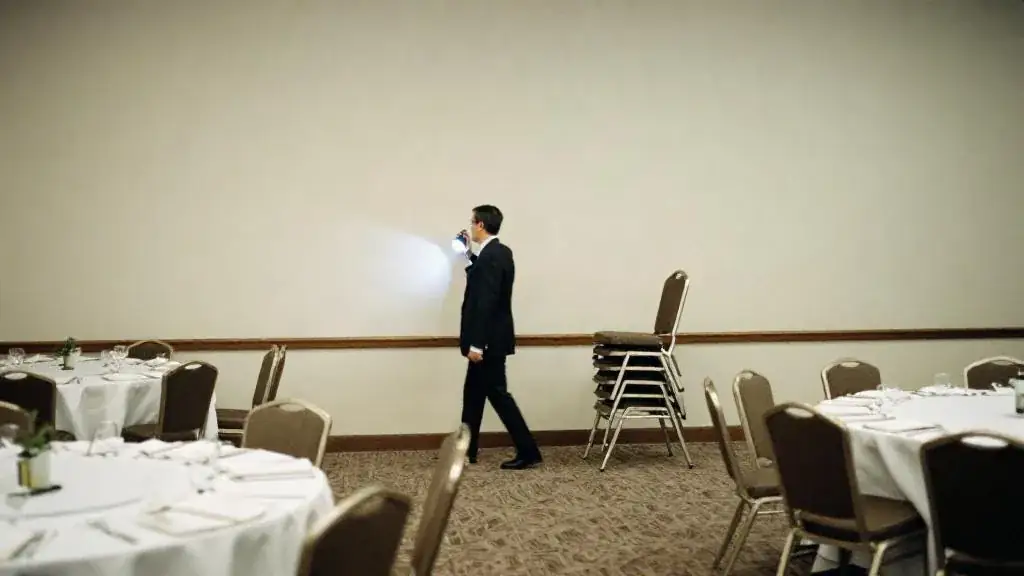
- Leaving discovery: has the client read the brief and changed at least one thing? If they changed nothing, they did not read it.
- Leaving concept: has the deposit cleared, and does the signed proposal name the venue, the date and the envelope?
- Leaving planning: is there any vendor without a signed contract and a COI? Is any permit still unfiled?
- Leaving production: has every vendor replied to the run of show with their arrival time, or only received it?
- Leaving execution: did the venue walk the room with you and note any damage before you left?
- Leaving wrap-up: could you hand next year’s planner a folder and walk away?
Symptoms of a skipped phase
- No discovery: the client changes the goal in the final month (“actually we need this to generate leads”).
- No concept: every vendor designs a different event because nobody wrote the brief.
- No production phase: the run of show is written on the morning of the event, on a phone.
- No wrap-up: nobody can say what the event cost or whether it worked, so next year starts from zero.
Worked example
For the Harbour Gala, discovery takes two meetings in month one; concept produces a proposal by the end of month two; planning runs months three through seven; production is the final five weeks; execution is a Thursday in November; wrap-up closes before the holidays. Write those six dates in the master timeline before you write anything else.
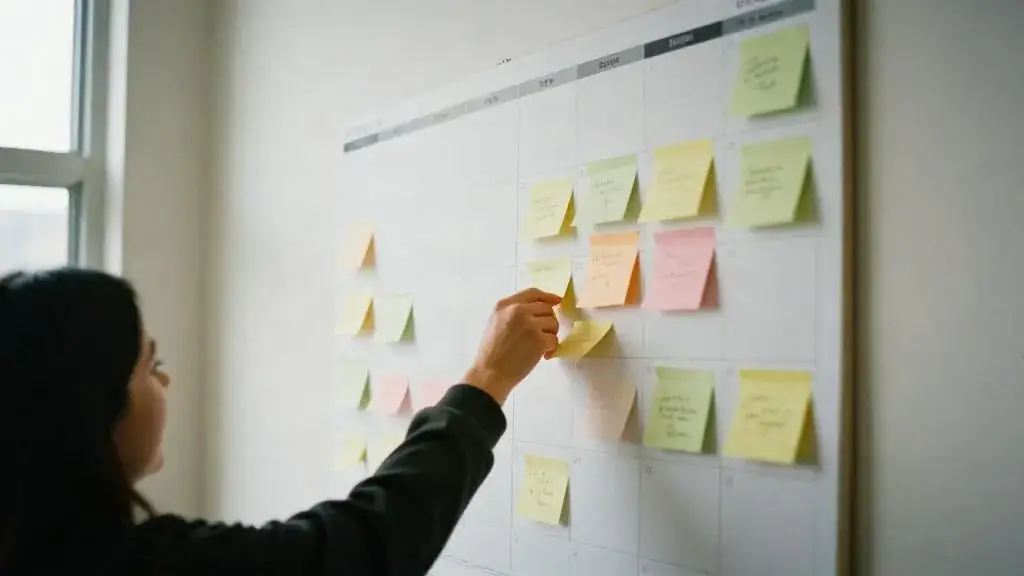
Here is how the Ontario lead times land on that calendar. The hotel is licensed, so no Special Occasion Permit is needed, which removes one deadline. The foundation wants a 50/50 draw during cocktails, so the municipal lottery licence application goes on the planning-phase timeline in month four with the development officer as owner. The hotel’s COI requirement for outside vendors (the magicians, the mentalist, the photographer, the florist) is collected as each contract is signed, so by the end of month seven the folder holds every certificate. The guarantee of final numbers is due to the hotel 72 hours before the Thursday, so the RSVP cut-off is set ten days out to give the foundation time to chase stragglers. The survey goes out on the Friday morning while the night is fresh.
Common mistakes
- Starting the venue search before the envelope is agreed. Fix: do not tour a venue until the brief has a number on it; otherwise the venue sets the budget.
- Treating production as “the last week”. Fix: block four to six weeks and start the run of show the day the final-numbers deadline is set.
- Collecting COIs the week of the event. Fix: make the COI a condition of countersigning each contract.
- Skipping the debrief because everyone is tired. Fix: book the 45-minute debrief on the master timeline on day one, within two weeks of the event.
Worksheet
Download the worksheet, complete it for your own event (or the running gala example), and keep it in your course binder. It takes about 10 minutes.

Check your understanding
Related guides, venues and vendors
Venues: home, party venues, parks
Specialist · Kids' Parties · 15 min
GTA costs, what is included, and park permit basics.
Read more
Venue contracts and minimums
Module 4: Venues · 15 min
Minimum spend, attrition, cancellation schedules, exclusivity, insurance, overtime and force majeure. Clause by clause, with the red flags.
Read more
Décor that photographs: where money shows
Module 6: Design & Guest Experience · 15 min
Lighting, the backdrop, the head table, tablescapes. Where décor dollars appear in photos and where they vanish.
Read more