Earpieces that let performers hear a mix of their own audio and cues without stage monitors.
Read the transcript
IEM (in-ear monitor).
Earpieces that let performers hear a mix of their own audio and cues without stage monitors.
How it works in practice.
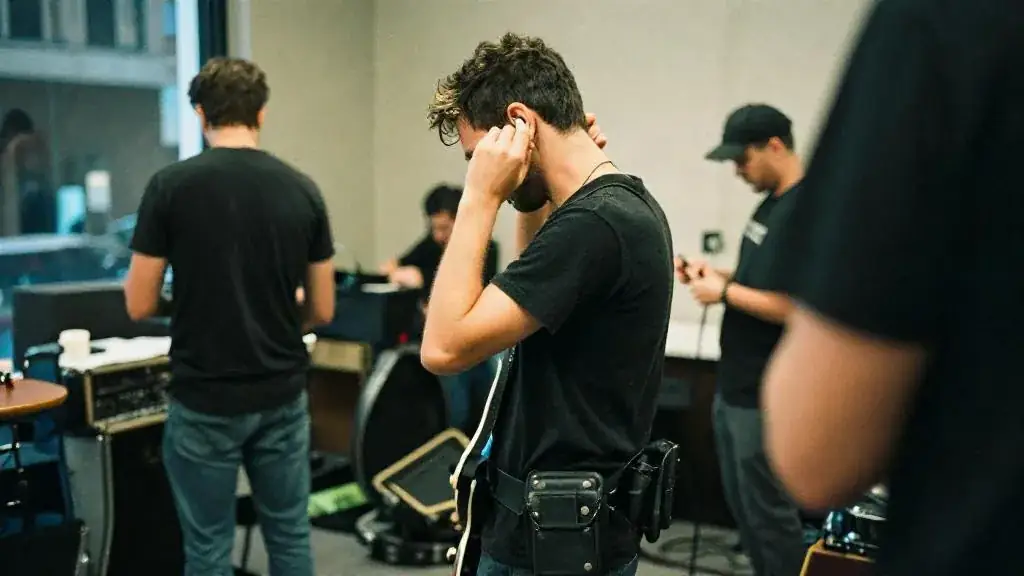
An IEM system has a transmitter at the monitor mixer and a small receiver pack on each performer, feeding custom-moulded or universal earpieces.
Each mix can be different: the singer hears more vocal, the drummer more bass, the keyboard player a click track.
In Ontario and the GTA.
Most working GTA bands bring their own IEM packs and earpieces, and many bring their own small monitor mixer.
Others expect the production company to supply it.
How to handle it.
Send the band's rider to the AV company as soon as it arrives and ask them to confirm each line.
Clarify who brings transmitters, receivers, earpieces and the mixer.
More detail, examples and common mistakes are on this page, below the video.
How it works in practice
An IEM system has a transmitter at the monitor mixer and a small receiver pack on each performer, feeding custom-moulded or universal earpieces. Each mix can be different: the singer hears more vocal, the drummer more bass, the keyboard player a click track. Some bands run wired IEMs for players who stay put, such as drummers, and wireless for anyone who moves.
Because performers hear themselves in their ears, they no longer need loud wedge monitors pointed back at them. Stage volume drops, the mix at front of house gets cleaner, and the head table stops getting blasted by monitor spill. Speakers and acts beyond bands use the same idea: an MC or illusionist might wear a single earpiece to hear cues from the stage manager.
In Ontario and the GTA
Most working GTA bands bring their own IEM packs and earpieces, and many bring their own small monitor mixer. Others expect the production company to supply it. Read the tech rider closely: “4 IEM mixes” might mean “we bring the packs, you supply the mixer channels”. A typical GTA range for a 4-piece band is $2,500–$6,000, and that fee usually does not include production.
How to handle it
- Send the band’s rider to the AV company as soon as it arrives and ask them to confirm each line.
- Clarify who brings transmitters, receivers, earpieces and the mixer.
- Ask the AV company to coordinate wireless frequencies across IEMs, wireless mics and any hotel systems in adjoining rooms.
- Schedule a proper soundcheck during load-in. IEM mixes take longer to set than a speaker mic.
- Keep a spare set of batteries for every pack in the green room.
Questions to ask
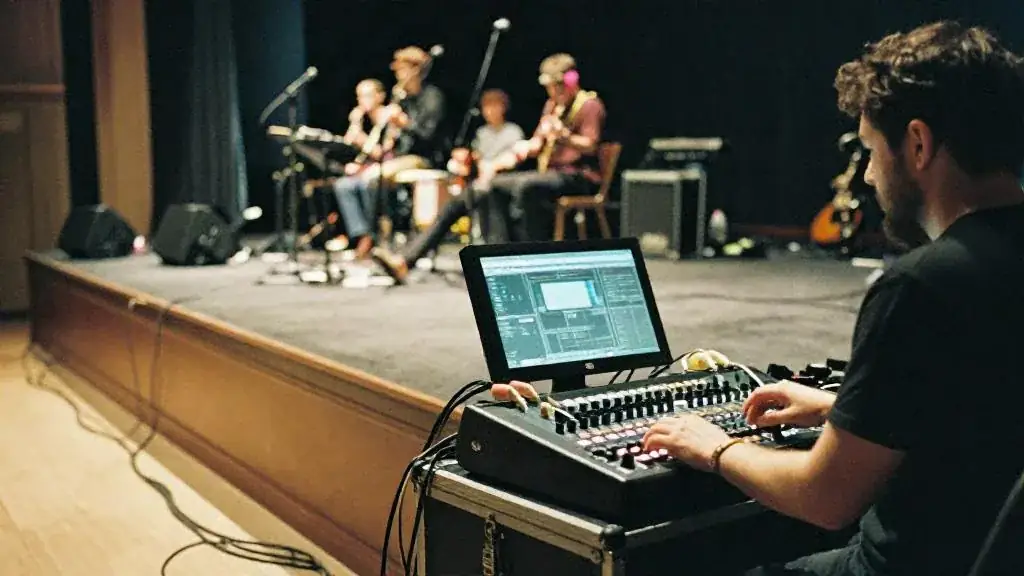
- How many mixes, how many wedges, and does anyone need both?
- Do you travel with your own monitor engineer?
- How much soundcheck time do you need, and can it happen before guests arrive?
- If a pack fails, do you have a wired fallback?
Related tools
Use the performer tech rider template to collect monitor needs in a consistent format. To find bands, try the entertainment finder; listings owned by the site founder carry a visible disclosure and get no ranking preference.
Why it matters
Bands and some acts specify IEMs in their rider; they reduce stage volume.
Example
A six-piece band requests four IEM mixes and two wedges.
Common mistakes
- Not reading the rider line about monitor mixes
Related guides, venues and vendors

F&B minimum
Business & Legal
The minimum food and beverage spend a venue requires, often in place of a rental fee.
Read more
Strolling act
Entertainment
A performer who moves through the crowd performing for small groups: close-up magic, caricature, mentalism.
Read more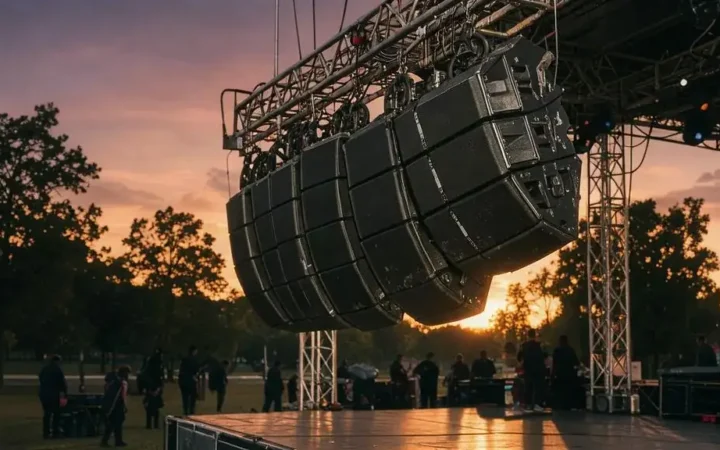
Line array
Production & AV
A column of speaker elements that projects sound evenly over long distances.
Read more