Turn every event into a portfolio page and a quote. What to ask clients, when, and how to present work online.
Read the transcript
Portfolio and testimonials.
Turn every event into a portfolio page and a quote.
What to ask clients, when, and how to present work online.
Every event is a page.
A portfolio is not a gallery of your prettiest photos.
It is a set of pages, one per event, each of which lets a prospective client find the one that looks like theirs.
Asking for testimonials.
The first ask is in the fourteen-day close, when the client is relieved and grateful; the second is when you send the ROI report, when they have the numbers in front of them.
Make it easy: offer to draft from what they said in the debrief and let them edit, or send three questions and use their answers.
Presenting work credibly.
Credibility comes from specifics and from restraint.
Specifics: numbers, dates, named venues, named vendors.
Where the portfolio lives.
Your own website first, with one page per event and a portfolio index that can be filtered by event type.
Then a listing on /directory/, which supports a short description, photos and links back to your site; the directory shows a visible disclosure on listings owned by the site founder and gives them no ranking preference, so your listing competes on the same terms as everyone else's.
Worked example: the Harbour Gala.
The portfolio page title is "Hospital foundation gala, Toronto, November 2026".
The facts line: 200 guests, downtown hotel ballroom, 40,000 dollars to 60,000 dollars production budget, full-service planning.
That is the lesson. The worksheet and the quiz are just below this video.
What you will be able to do
- Build a portfolio page
- Collect testimonials
- Present work credibly
Every event is a page
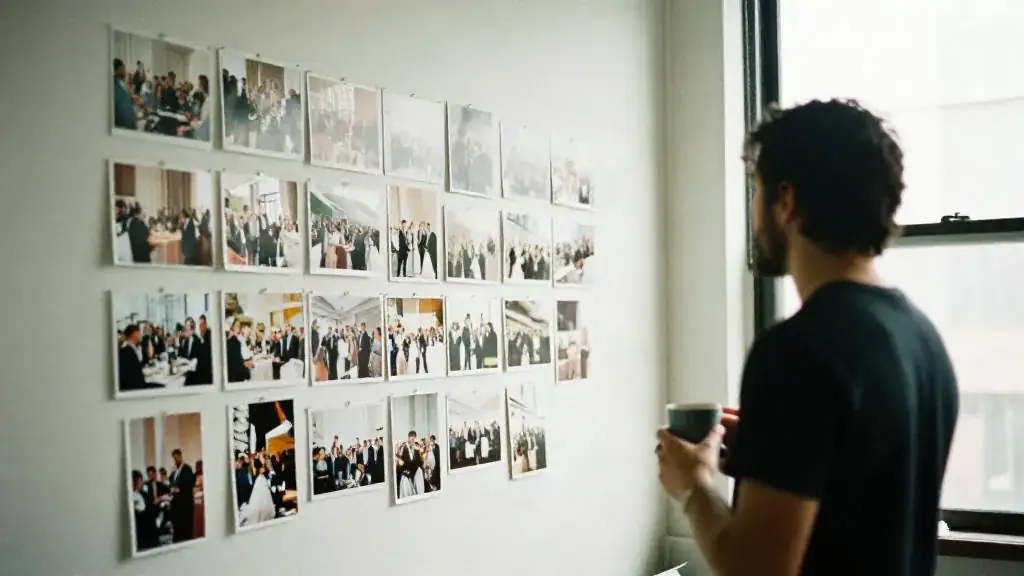
A portfolio is not a gallery of your prettiest photos. It is a set of pages, one per event, each of which lets a prospective client find the one that looks like theirs. A corporate marketing manager looking for a product launch planner will skip past six weddings and leave; the same manager who finds a launch page with a budget, a guest count and a result will call. So the rule is one event, one page, same structure every time, and the structure is the project write-up from the previous lesson cut to a quarter of the length.
| Element | What it contains |
|---|---|
| Title | Event type, city, year: “Hospital foundation gala, Toronto, 2026” |
| Facts line | Guests, venue type, budget band, your role (full service, partial, day-of) |
| Three sentences | The brief, the key decision, the result with a number |
| Photos | Four to six, with rights; room, stage, people enjoying it, one detail |
| Testimonial | One quote, name and title, approved |
| Link | To the full project write-up if there is one, and to the vendors named |
Budget bands rather than exact numbers (“$40,000 to $60,000”) protect the client’s privacy and still tell the prospect whether you work at their scale. State your role plainly; a day-of coordination credited as full planning will be found out by the first client who checks.
Asking for testimonials
Ask twice. The first ask is in the fourteen-day close, when the client is relieved and grateful; the second is when you send the ROI report, when they have the numbers in front of them. Make it easy: offer to draft from what they said in the debrief and let them edit, or send three questions and use their answers. The questions that produce usable quotes are about the experience of working with you rather than about the event: “What were you worried about before we started?”, “What did we do that you did not expect?”, “Would you recommend us, and to whom?” The answer to the third question is usually the quote.
- Ask in the close, by email, with the three questions.
- Draft from their reply, or from the debrief notes, keeping their words.
- Send the draft for approval with the exact name and title you will use.
- Keep the approval email in the event folder.
- Ask whether you may also post it on a review platform, and send the link; a review there is worth more to a stranger than a quote on your own site.
Never write a testimonial and attribute it without written approval, and never post a review on a client’s behalf. Both are the kind of shortcut that ends a business when it is discovered.
Presenting work credibly
Credibility comes from specifics and from restraint. Specifics: numbers, dates, named venues, named vendors. Restraint: no superlatives, no “luxury”, no “unforgettable”. A page that says “200 guests, downtown hotel ballroom, net $87,000 for the foundation, program finished on time” is more persuasive than any adjective. Show your role honestly, show problems in the full project write-up, and let the client’s quote carry the warmth.

Photographs should be the photographer’s, credited, under the licence you secured. Phone snapshots have their place in a day-of story on social media and not on the portfolio page. If the client cannot be named, the page still runs with the anonymised version. A page with no photos and no name is better left unpublished; put the event in the facts of your “about” page instead (“fourteen fundraising dinners since 2023”).
Where the portfolio lives
Your own website first, with one page per event and a portfolio index that can be filtered by event type. Then a listing on /directory/, which supports a short description, photos and links back to your site; the directory shows a visible disclosure on listings owned by the site founder and gives them no ranking preference, so your listing competes on the same terms as everyone else’s. Then one social channel you will actually keep up, where the day-of photos go within a week while the event is still fresh. Do not spread across five platforms; one updated channel beats five stale ones.
Worked example: the Harbour Gala
The portfolio page title is “Hospital foundation gala, Toronto, November 2026”. The facts line: 200 guests, downtown hotel ballroom, $40,000 to $60,000 production budget, full-service planning. Three sentences: “The foundation needed a November dinner that would net $75,000 and finish the ask before 9 p.m. We placed a mentalist directly before the paddle raise, funded the program with table sponsorships, and moved the stage to clear two pillars. The gala netted $87,000 with 203 guests, and the paddle raise beat its target by a quarter.” Five photos from the photographer, credited: the room from the stage before doors, the mentalist mid-set, paddles up from the back of the room, a strolling magician at a sponsor table, a detail of a sponsor card. The testimonial, approved by email, from the executive director: “I was most worried about the program running over and losing the room before the ask. It finished with eight minutes to spare and the board has already asked for next year’s date.” Links to the project write-up, the hotel, the mentalist and the magicians, each of whom shared the page within a week.
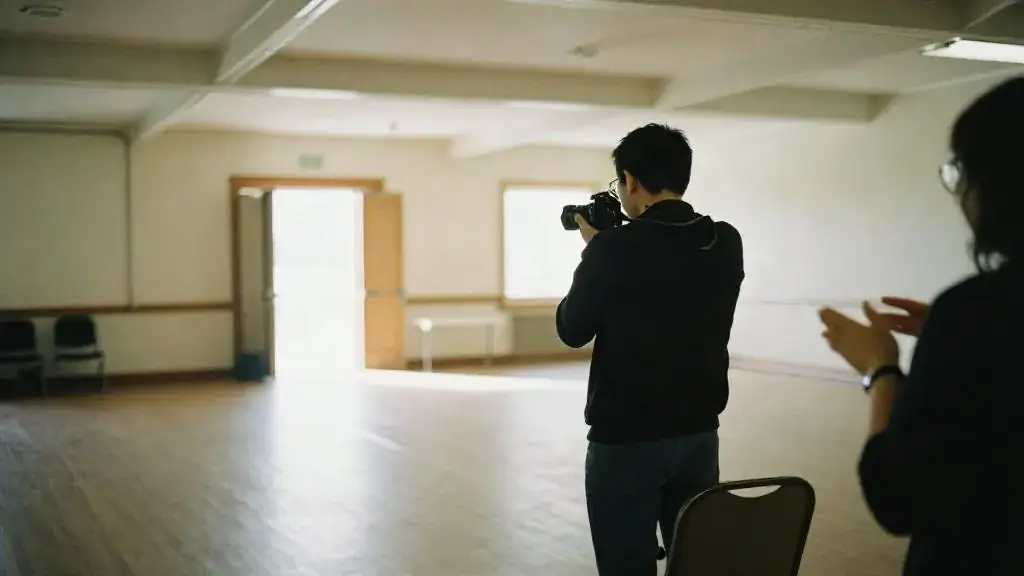
The planner also adds the headline line and the one photo to her directory listing, posts the five photos and the quote on her one social channel with the vendors tagged, and moves on to the next event. Total time to build the page from the project write-up draft: about an hour.
Common mistakes
- A single “gallery” page with eighty photos and no events, budgets or results.
- Asking for a testimonial three months later, or not asking at all.
- Crediting yourself with a role you did not have.
- Using unlicensed photos or photos of guests who opted out.
- Adjectives instead of numbers.
Worksheet
Download the worksheet, complete it for your own event (or the running gala example), and keep it in your course binder. It takes about 10 minutes.

Check your understanding
Related guides, venues and vendors
Entertainers, activities and safety
Specialist · Kids' Parties · 15 min
Magicians, circus skills, balloon artists, face painters; vetting, police checks and allergy planning.
Read more
Venue contracts and minimums
Module 4: Venues · 15 min
Minimum spend, attrition, cancellation schedules, exclusivity, insurance, overtime and force majeure. Clause by clause, with the red flags.
Read more
Outdoor and tented events
Module 4: Venues · 15 min
Tents over 60 m² need permits in most Ontario municipalities. Learn tent sizing, flooring, power, washrooms, weather plans and the park permit…
Read more