Reduce the big three (food waste, single-use, travel), measure it, and say only what you did.
Read the transcript
Sustainability without greenwashing.
Reduce the big three (food waste, single-use, travel), measure it, and say only what you did.
Three sources, most of the impact.
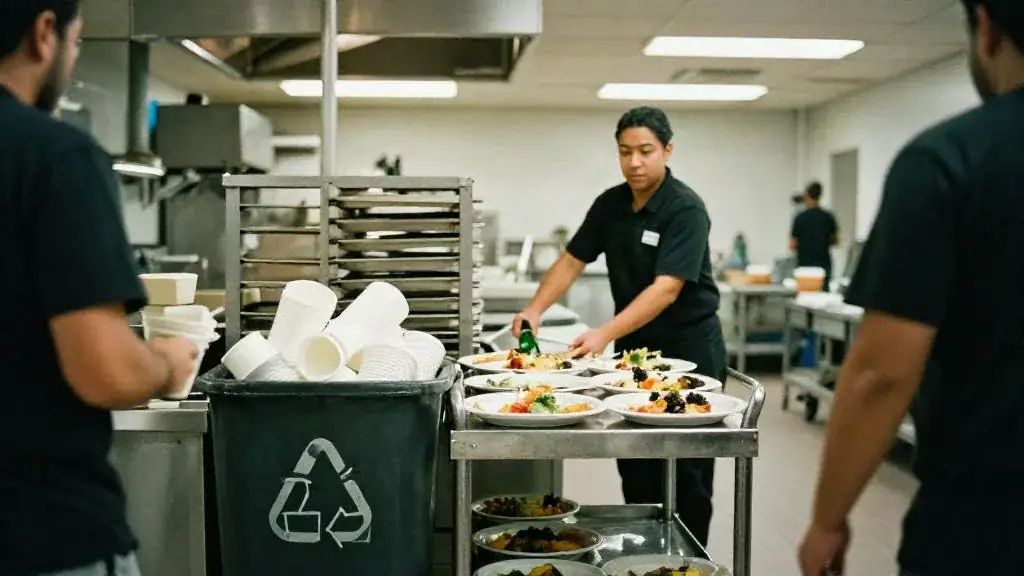
Events are wasteful in predictable ways, and almost all of the impact comes from three sources: food that is prepared and not eaten, single-use items that are used for an hour and binned, and the travel that brings people to the room.
A planner who reduces those three has done the real work.
Decisions to make early.
This is the biggest single lever for travel and it is decided in Module 4. Write the subway station on the invitation and guests will use it.
Plated service produces far less surplus than a buffet or stations. For a program event it is the right choice for timing anyway.
Measure one thing.
You cannot report what you did not count, and you do not need to count everything.
Pick one metric that matches the biggest source for your event, measure it with the vendor's help, and report it plainly.
Say only what you did.
Greenwashing is any claim that implies more than you did.
"Carbon-neutral gala" when you bought nothing and measured nothing.
Worked example: the Harbour Gala.
The foundation's board asked for the gala to be "a green event".
The planner reframed that into three decisions and one number.
That is the lesson. The worksheet and the quiz are just below this video.
What you will be able to do
- Cut the three biggest waste sources
- Measure and report one sustainability metric
- Avoid greenwashing claims
Three sources, most of the impact
Events are wasteful in predictable ways, and almost all of the impact comes from three sources: food that is prepared and not eaten, single-use items that are used for an hour and binned, and the travel that brings people to the room. A planner who reduces those three has done the real work. A planner who switches to bamboo cutlery and prints “eco-friendly event” on the program has done the marketing.
Sustainability for a working planner is not a philosophy. It is a short list of decisions made early, one number measured, and an honest sentence afterwards.
| Source | Where it comes from at a dinner | Reductions that actually work |
|---|---|---|
| Food waste | Overage above the guarantee, no-shows, oversized portions, buffets and stations, untouched dessert during the ask | Tight guarantees with an honest overage; plated over buffet; portions sized for the course count; a plan for surplus agreed with the caterer in advance |
| Single-use | Printed programs and place cards, bottled water, disposable glassware at cocktail hour, signage, swag, floral foam | Screens and one printed program per table; water in pitchers; real glassware; reusable signage without dates; no swag or swag people keep; foam-free florals |
| Travel | Guests driving downtown, vendors making multiple trips, performers and speakers flown in | Venue near transit; a shuttle for suburban guests; local performers and speakers; one consolidated vendor delivery |
Decisions to make early
- Venue near transit. This is the biggest single lever for travel and it is decided in Module 4. Write the subway station on the invitation and guests will use it.
- Plated, not buffet. Plated service produces far less surplus than a buffet or stations. For a program event it is the right choice for timing anyway.
- Agree the surplus plan with the caterer in writing. Ask whether they work with a food rescue organization and what their rules are for untouched, unserved food. Some hotels will not release food; ask, and if the answer is no, tighten the guarantee instead.
- Print once. One program per table, no individual place cards if a seating screen and table numbers do the job, menu on the screen, signage with no date so it comes back next year.
- Real glassware and pitchers. Most hotels default to this. Halls and tents may not; it is a line in the contract.
- Book local. The GTA has deep benches of performers, speakers and suppliers. A performer who drives from Etobicoke beats one who flies from anywhere.
Measure one thing
You cannot report what you did not count, and you do not need to count everything. Pick one metric that matches the biggest source for your event, measure it with the vendor’s help, and report it plainly.
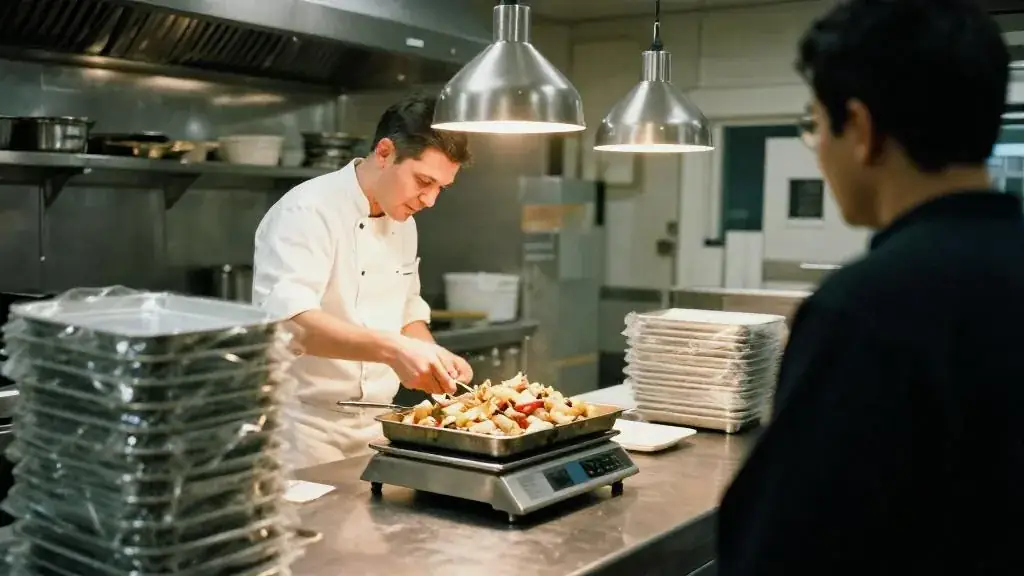
For a dinner, the usual choice is food: ask the caterer to weigh or estimate surplus at the end of the night, and record meals prepared, meals served, and surplus donated or composted. For a conference, it is often printed material: count sheets printed this year against last. For a suburban event, it is travel: count shuttle riders and transit users from the RSVP or a door question. One number, with the method stated, is worth more than a page of claims.
Put the metric in the post-event report and in the post-event survey if you want guests to know. Carry it to next year’s planning as a target.
Say only what you did
Greenwashing is any claim that implies more than you did. “Carbon-neutral gala” when you bought nothing and measured nothing. “Zero waste” when you had bins. “Sustainable event” as a headline with no number under it. These claims are increasingly scrutinized, they annoy the guests who know better, and they are unnecessary, because the honest version is more persuasive.
The honest version is specific and past tense. “We served 196 plated meals against a guarantee of 200; 14 untouched meals went to a food rescue partner the same night.” “Programs were printed one per table instead of one per guest, which cut printing by roughly 90 percent compared with last year.” “The hotel is two blocks from the subway and 62 percent of guests told us they arrived by transit.” Each sentence names a thing, a number and a method. None of them claims a result the planner did not produce.
If a client wants a sustainability line in their marketing before the event, offer intentions in the future tense: “We are planning plated service, foam-free florals and one printed program per table.” After the event, replace it with what happened.
Worked example: the Harbour Gala
The foundation’s board asked for the gala to be “a green event”. The planner reframed that into three decisions and one number. Decisions: the hotel is near the subway and the invitation says so; dinner is plated with a pre-set first course; the committee agreed to one program per table, the menu on screen, no place cards (table numbers and a seating screen at the door), and florals without foam. The caterer confirmed in writing that untouched, unserved plated meals could go to a food rescue partner if collected by 10 p.m., and the planner booked the pickup.
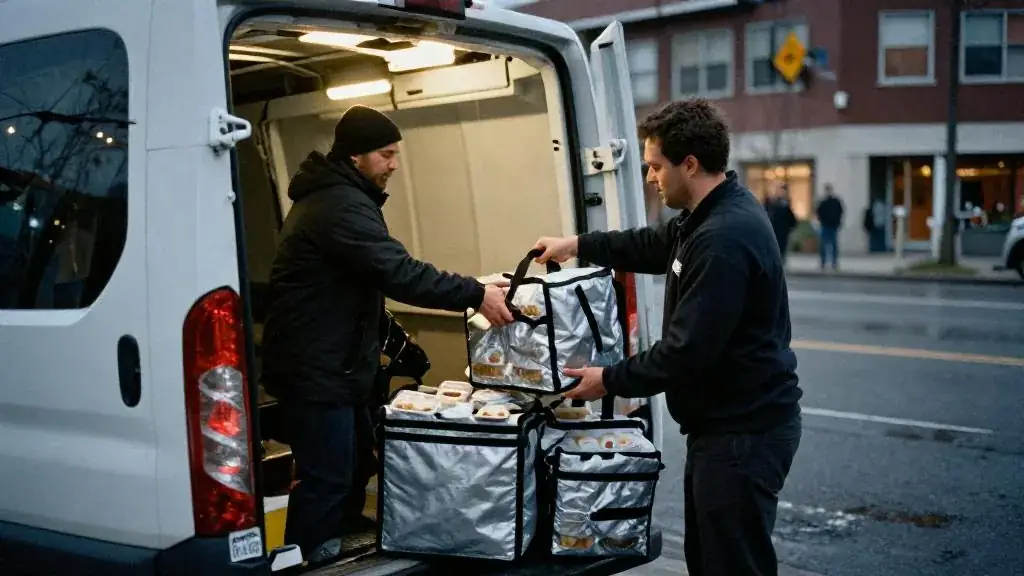
The number: food. Final guarantee was 200 with the hotel’s standard overage; 194 guests sat; the kitchen recorded 198 meals plated, 194 served, and the untouched meals plus the overage collected at 9:45. In the post-event report the line read: “198 meals prepared, 194 served, surplus collected by our food rescue partner the same night. Programs printed: 24, against roughly 220 last year.” The board chair used both sentences in the donor thank-you letter. Nobody wrote “green gala” anywhere.
Common mistakes
- Spending the effort on the visible swap (bamboo cutlery) instead of the invisible one (the guarantee and the surplus plan).
- Claiming offsets or neutrality without a purchase and a method you can show.
- Measuring nothing and then being asked by a sponsor for a number.
- Printing dated signage that cannot be reused.
- Swag. Most of it goes in the bin by the coat check. If the client insists, make it something people actually keep and order to the guarantee, not the invitation list.
Worksheet
Download the worksheet, complete it for your own event (or the running gala example), and keep it in your course binder. It takes about 10 minutes.
Check your understanding
Related guides, venues and vendors

Proposals that win
Module 2: Discovery & Concept · 15 min
A proposal is a decision document. Eight sections, four pages, two venue options, a budget with HST shown, and a fee the…
Read more
The fundraising program
Specialist · Fundraisers · 15 min
The ask, the paddle raise, live and silent auctions, and the entertainment that keeps donors in the room.
Read more
Favours, themes and budgets under $1,000
Specialist · Kids' Parties · 15 min
Where the money goes and what kids actually remember.
Read more