Referrals, venues, vendors, associations, content, and the one offer that converts. A 90-day plan.
Read the transcript
Finding your first ten clients.
Referrals, venues, vendors, associations, content, and the one offer that converts.
Where the first ten come from.
Your first ten clients will not come from a website.
They will come from people who already know you, from venues and vendors who see your work, and from one or two associations where your future clients spend time.
Working with venues and vendors.
Venues recommend planners who make their job easier.
Show up to a tour prepared, ask the questions on the venue tour checklist, and then send the coordinator a thank-you with a one-page sheet: who you are, the events you plan, your packages and a phone number.
The one offer that converts.
Early clients need a reason to take a chance on someone without a long portfolio.
The offer that works is not a discount on your full package.
The 90-day plan.
Days 1 to 14. Finish the basics: business registration, insurance, a one-page site with packages and starting prices, a directory listing.
Days 15 to 45. Tour five venues and book coffees with three vendors each fortnight.
Worked example: the Harbour Gala.
The gala itself came from this plan.
In her first ninety days, the planner joined the volunteer events committee of a smaller children's charity and ran the run of show for its spring luncheon at no fee.
That is the lesson. The worksheet and the quiz are just below this video.
What you will be able to do
- Build a 90-day client acquisition plan
- Partner with venues and vendors
- Create an offer that converts
Where the first ten come from
Your first ten clients will not come from a website. They will come from people who already know you, from venues and vendors who see your work, and from one or two associations where your future clients spend time. The website matters later, as the place those people check you out. In the first ninety days, put your hours where the trust already is.
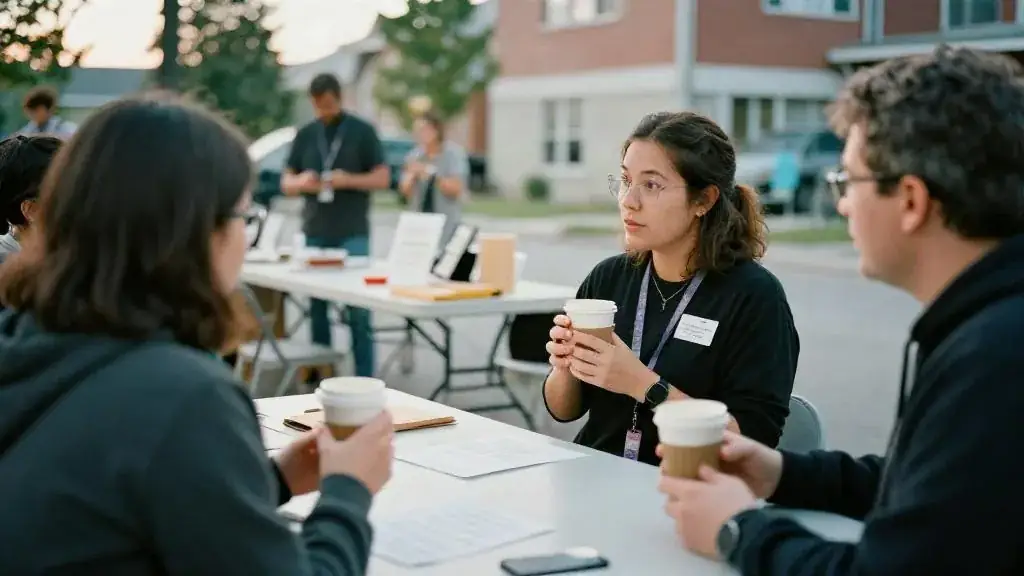
| Channel | Why it works early | The first action |
|---|---|---|
| Personal network | People hire people they trust, and they know who is getting married, who runs the office party, who sits on a charity board | A short, specific email to 50 people saying what you do and who you help |
| Venues | Venue coordinators are asked for planner recommendations every week | Visit five venues, tour them properly, leave a one-page sheet |
| Vendors | DJs, photographers, performers and florists talk to clients months before the event | Book coffee with three vendors you would happily hire; refer work to them first |
| Associations and boards | Charities, business associations and cultural groups run events every year | Join one, volunteer on its event committee |
| Content | Answers to real questions are found by people searching for help | Two useful articles a month, each answering one question you were asked this month |
| Directories | People searching for a planner in the GTA start there | A complete listing on /directory/ with photos and a starting price |
Working with venues and vendors
Venues recommend planners who make their job easier. Show up to a tour prepared, ask the questions on the venue tour checklist, and then send the coordinator a thank-you with a one-page sheet: who you are, the events you plan, your packages and a phone number. When you bring them a booking, be the planner who sends a clean floor plan and a final count on time. The second referral comes from the first event, not the first coffee.
Vendors work the same way and also expect referrals in return. Refer work to vendors you have seen perform well, tell them when you did, and never ask for a kickback or an undisclosed commission. A planner who quietly takes commissions from vendors loses the trust of every client who finds out, and they do find out. If you do have an arrangement, put it in writing to the client.
The one offer that converts
Early clients need a reason to take a chance on someone without a long portfolio. The offer that works is not a discount on your full package. It is a small, fixed-price, fixed-scope service that solves one urgent problem and lets the client see how you work. For weddings, it is day-of coordination. For corporate clients, it is a run-of-show and vendor review two weeks before an event they are planning themselves. For charities, it is a sponsorship and program review for their annual gala. Price it fairly, deliver it brilliantly, and ask at the end for a referral and a testimonial. A good share of those small clients come back for full service the next year.

The 90-day plan
- Days 1 to 14. Finish the basics: business registration, insurance, a one-page site with packages and starting prices, a directory listing. Write your one-page sheet. Email 50 people in your network.
- Days 15 to 45. Tour five venues and book coffees with three vendors each fortnight. Join one association and offer to help with its next event. Publish two articles.
- Days 46 to 75. Follow up every conversation from the first six weeks. Launch the entry offer. Ask every person who said “I know someone” for an introduction by email.
- Days 76 to 90. Count: conversations, proposals, signed clients. Keep the two channels that produced conversations, drop the rest, and plan the next ninety days.
Track every lead in one place from day one: name, source, date, stage, value. In ninety days the list will tell you which channel to double, and it is never the one you expected.
Worked example: the Harbour Gala
The gala itself came from this plan. In her first ninety days, the planner joined the volunteer events committee of a smaller children’s charity and ran the run of show for its spring luncheon at no fee. The charity’s board treasurer also sat on the hospital foundation’s gala committee. When the foundation’s previous planner retired, the treasurer forwarded her name. She did not have a gala portfolio, so she offered the foundation her entry offer first: a $750 sponsorship and program review for the previous year’s gala. Her review recommended table sponsorships and moving the entertainment to just before the ask. The committee hired her for full service at $4,500. The downtown hotel’s event services manager, impressed by a clean floor plan and an on-time final count, has since referred two corporate clients to her. One volunteer committee led, through three steps, to most of her second year.
Numbers to remember
- Fifty personal emails in the first two weeks.
- Five venue tours and three vendor coffees every two weeks.
- One association, one committee, one event volunteered.
- Two useful articles a month.
- One entry offer, fixed scope, fixed price.
- A count at day 90, and two channels kept.
Worksheet
Download the worksheet, complete it for your own event (or the running gala example), and keep it in your course binder. It takes about 12 minutes.

Check your understanding
Related guides, venues and vendors

Guest profile and the guest journey
Module 2: Discovery & Concept · 15 min
Who is coming, what do they expect, what will they complain about? Build the guest profile and walk the journey from invitation…
Read more
Portfolio and testimonials
Module 11: After the Event · 15 min
Turn every event into a portfolio page and a quote. What to ask clients, when, and how to present work online.
Read more
Crowd management and emergency plans
Module 8: Legal, Safety & Risk (Ontario) · 15 min
Occupant loads, egress, crowd density, weather, medical, security ratios, and the one-page emergency plan every event needs.
Read more