Who is coming, what do they expect, what will they complain about? Build the guest profile and walk the journey from invitation to the ride home.
Read the transcript
Guest profile and the guest journey.
Who is coming, what do they expect, what will they complain about?
Build the guest profile and walk the journey from invitation to the ride home.
Who, exactly, is coming.
A guest profile is a short description of the people in the room that every vendor can plan against.
It covers age range, culture and language, how they know each other, how formal they expect the night to be, accessibility and dietary needs, and what they will complain about.
Build it in five lines.
Composition: 200 guests, 60 percent couples, ages 35 to 70, mostly professionals, a dozen major donors and the hospital's executive team.
Expectations: a plated dinner, a bar, a program under 90 minutes, a reason to give.
Where the profile comes from.
You will not meet the guests before the event, so the profile is assembled from four sources.
The client's answer to "who is coming" in discovery.
Accessibility, the AODA version.
The Accessibility for Ontarians with Disabilities Act sets customer service and information standards that apply to organizations, and the practical event checklist is short enough to run on every job: a step-free route from accessible parking or transit to the room; accessible washrooms; reserved seating with companion seats; captions or ASL interpretation on request; service animals allowed; accessible registration; a quiet space; and dietary and sensory needs collected on the RSVP.
Put the checklist on the venue tour sheet and the RSVP form, and the guest profile writes its own accessibility line.
Map the journey in eight beats.
Invitation to arrival and parking to entrance and check-in to cocktail hour to seating to dinner and program to the ask or the dance to departure.
For each beat, write what the guest sees, hears and does, and who owns it.
That is the lesson. The worksheet and the quiz are just below this video.
What you will be able to do
- Build a guest profile with age, culture, accessibility and expectations
- Map the guest journey in eight beats
- Find the three moments that decide the review
Who, exactly, is coming
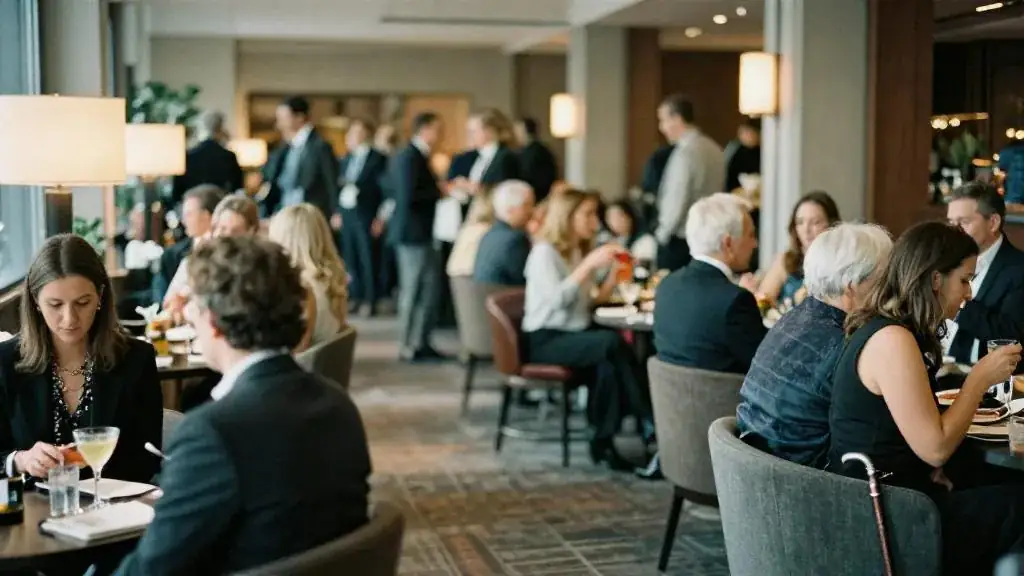
A guest profile is a short description of the people in the room that every vendor can plan against. It covers age range, culture and language, how they know each other, how formal they expect the night to be, accessibility and dietary needs, and what they will complain about.
Build it in five lines
- Composition: 200 guests, 60 percent couples, ages 35–70, mostly professionals, a dozen major donors and the hospital’s executive team.
- Expectations: a plated dinner, a bar, a program under 90 minutes, a reason to give.
- Culture and language: English program; a notable Persian and South Asian donor community, so the menu needs clearly labelled halal and vegetarian plates.
- Accessibility: at least two guests use wheelchairs; one presenter has a visual impairment; collect needs on the RSVP.
- What they complain about: long speeches, a late dinner, a loud band during conversation.
Where the profile comes from
You will not meet the guests before the event, so the profile is assembled from four sources. The client’s answer to “who is coming” in discovery. Last year’s guest list, if one exists, which tells you the age spread and the proportion of couples. The RSVP form, which is where accessibility, dietary and sensory needs are collected rather than guessed. And a ten-minute call with whoever handled complaints last time: the executive assistant, the development officer, the maître d’. That person knows what the guests will say on the way out.
Accessibility, the AODA version
The Accessibility for Ontarians with Disabilities Act sets customer service and information standards that apply to organizations, and the practical event checklist is short enough to run on every job: a step-free route from accessible parking or transit to the room; accessible washrooms; reserved seating with companion seats; captions or ASL interpretation on request; service animals allowed; accessible registration; a quiet space; and dietary and sensory needs collected on the RSVP. Put the checklist on the venue tour sheet and the RSVP form, and the guest profile writes its own accessibility line.
Map the journey in eight beats
Invitation to arrival and parking to entrance and check-in to cocktail hour to seating to dinner and program to the ask or the dance to departure. For each beat, write what the guest sees, hears and does, and who owns it. The beats where events fail are arrival (queues), the gap between cocktails and dinner (nothing happening), and departure (no coats, no cabs).
Questions to ask at each beat
- Invitation: does it say the dress code, the start time, the end time, parking and transit, and how to tell us about dietary or accessibility needs?
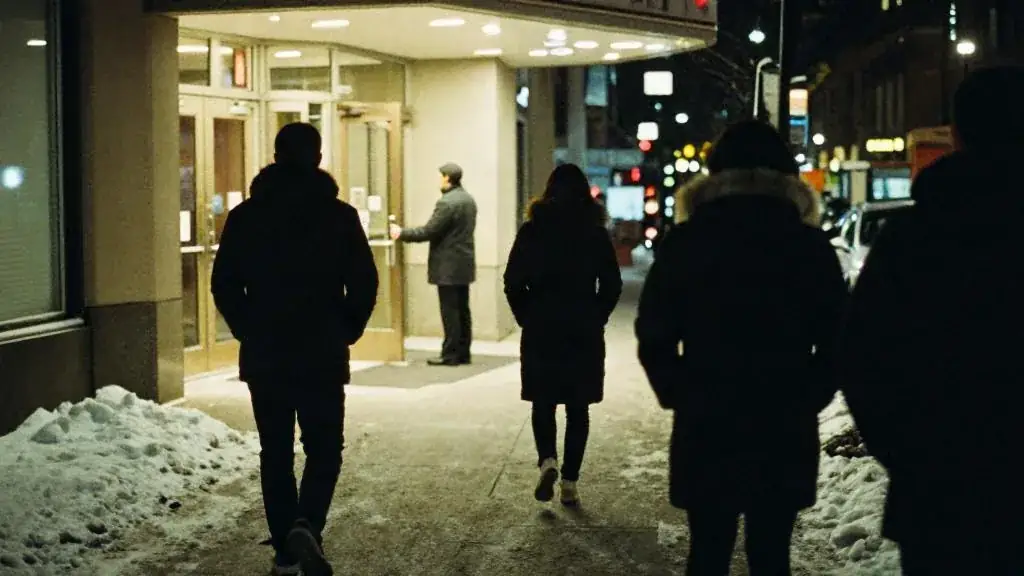
- Arrival: where does a taxi stop, where is the accessible entrance, and is it signed from the street?
- Check-in: how many guests arrive in the busiest ten minutes, and how many check-in staff does that need? In our experience one station handles roughly 40–50 guests in that window before a queue forms.
- Cocktail hour: is there a drink in hand within two minutes of entering, and is something happening? Roaming acts at one performer per 40–60 guests cover this.
- Seating: how will 200 people find their tables without a crowd at one board? Place cards at a long table, or ushers with lists.
- Dinner and program: is any speech scheduled over a plate being served? Move it.
- The ask or the dance: what happens in the two minutes before it, and is the room’s attention gathered?
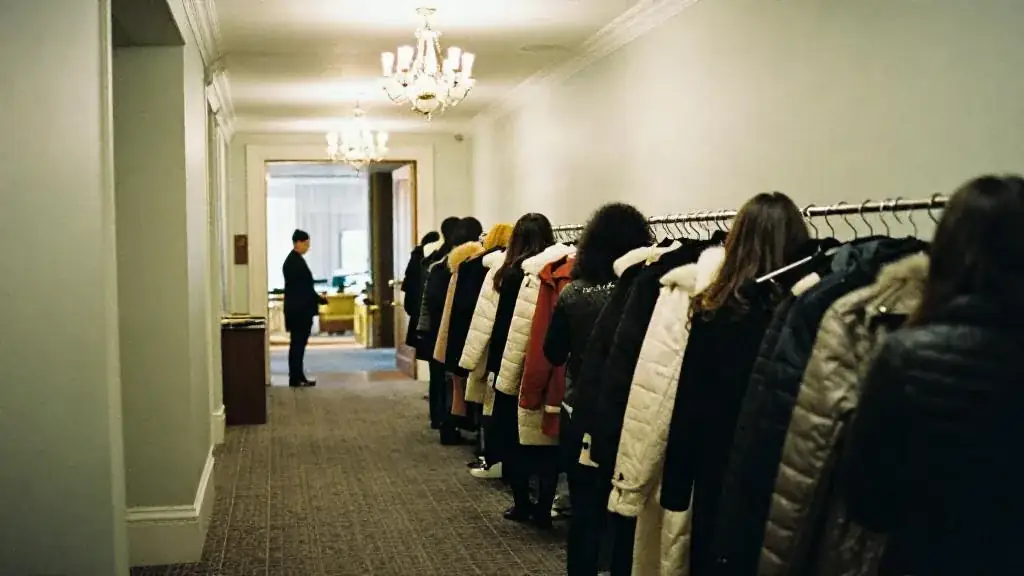
- Departure: how long is the coat queue, is there a taxi line or a transit note, and what is the last thing a guest sees?
The three moments that decide the review
Surveys show guests judge an event on the first ten minutes, the longest wait, and the last thing that happened. Design those three on purpose: a greeter and a drink at the door, a strolling act during the longest wait, and a clean last cue (a final song, a farewell at the door, a favour).
Worked example
For the Harbour Gala the longest wait is the 25 minutes between the end of cocktails and the first plate. Two strolling magicians cover it. The last thing that happens is a thank-you from the hospital CEO at the door with a printed card showing the night’s total. That card is the thing people talk about on the way home.
The rest of the journey, beat by beat. The invitation names the hotel’s accessible entrance on the side street and the nearest subway station, and the RSVP form collects dietary, accessibility and sensory needs. Arrival at 6 p.m. is handled by two check-in stations and one greeter for 200 guests, with a reserved accessible table near the stage for the two wheelchair users and their companions. Cocktails run 6 to 7 with pass-arounds and the two magicians working the floor; the first ten minutes are covered because a server with a tray meets every guest inside the door. Seating at 7 is by place cards on a long table at the ballroom entrance so nobody crowds one seating chart. Dinner runs 7 to 9 with the CEO’s welcome between the starter and the main, not during either. The mentalist set runs right before the paddle raise, which happens before 9 p.m. while the room is full. At departure, coat check has two staff for the 15-minute rush and the CEO is at the door with the cards.
Common mistakes
- Guessing dietary and accessibility needs. Fix: collect them on the RSVP and read the answers two weeks out.
- One check-in station for 200 guests. Fix: count the arrival rush and staff for it.
- Nothing happening between cocktails and the first plate. Fix: a roaming act or a short, planned welcome fills the gap.
- A speech over the main course. Fix: every program item sits between courses on the run of show.
- Ending on a fade. Fix: write the last cue on purpose and give it an owner.
Worksheet
Download the worksheet, complete it for your own event (or the running gala example), and keep it in your course binder. It takes about 10 minutes.
Check your understanding
Related guides, venues and vendors
Writing the creative brief
Module 2: Discovery & Concept · 15 min
One page that tells every vendor what the event feels like, who it is for and what cannot be compromised. The brief…
Read more
Privacy, photo rights and PIPEDA
Module 8: Legal, Safety & Risk (Ontario) · 15 min
Guest data, photography consent, performer image rights, and what you can post. Includes the signage and consent language that works.
Read more
Hotels, unions and load-in rules
Module 4: Venues · 15 min
Downtown hotels and convention centres have union load-in, drayage, exclusive AV and dock schedules. Budget for them or be surprised.
Read more