Downtown parking math, shuttle sizing, rideshare codes, accessibility vehicles, and the Toronto transit reality.
Read the transcript
Transportation, parking and shuttles.
Downtown parking math, shuttle sizing, rideshare codes, accessibility vehicles, and the Toronto transit reality.
How guests actually get downtown.
A guest who cannot park, cannot find the entrance, or cannot get a ride home at 10 p.m. on a November Thursday does not remember the centrepieces.
Transportation is unglamorous and it is the last thing most planners think about, which is exactly why it causes complaints.
Parking math for a downtown venue.
Downtown hotels have garages, and the garage is never as big as the ballroom.
Ask the venue four things: how many spaces, whether any are reserved for the event, the evening rate and whether it can be validated or pre-paid, and the height clearance.
Transit, rideshare and the Toronto reality.
Downtown Toronto is a transit city for arrivals and a rideshare city for departures.
Put the nearest subway station and the walk time on the invitation; guests use it when they are told.
Sizing a shuttle plan.
A shuttle makes sense when a meaningful cluster of guests comes from one place: a corporate office, a hotel block, a suburb with poor evening transit.
Size it from the RSVP data, not from the guest count.
Worked example: the Harbour Gala.
The RSVP postal codes split roughly 55 percent downtown and midtown, 30 percent the 905, and 15 percent the hospital campus itself.
The hotel garage has 110 spaces with 40 reserved for the gala at a pre-paid flat rate that the presenting sponsor covered as a benefit; the invitation named the garage entrance, the height clearance and the flat rate.
That is the lesson. The worksheet and the quiz are just below this video.
What you will be able to do
- Plan parking and transit for a venue
- Size a shuttle plan
- Offer safe-ride options
How guests actually get downtown
A guest who cannot park, cannot find the entrance, or cannot get a ride home at 10 p.m. on a November Thursday does not remember the centrepieces. Transportation is unglamorous and it is the last thing most planners think about, which is exactly why it causes complaints. The plan has four parts: parking, transit, shuttles where the guest list needs them, and a safe ride home.
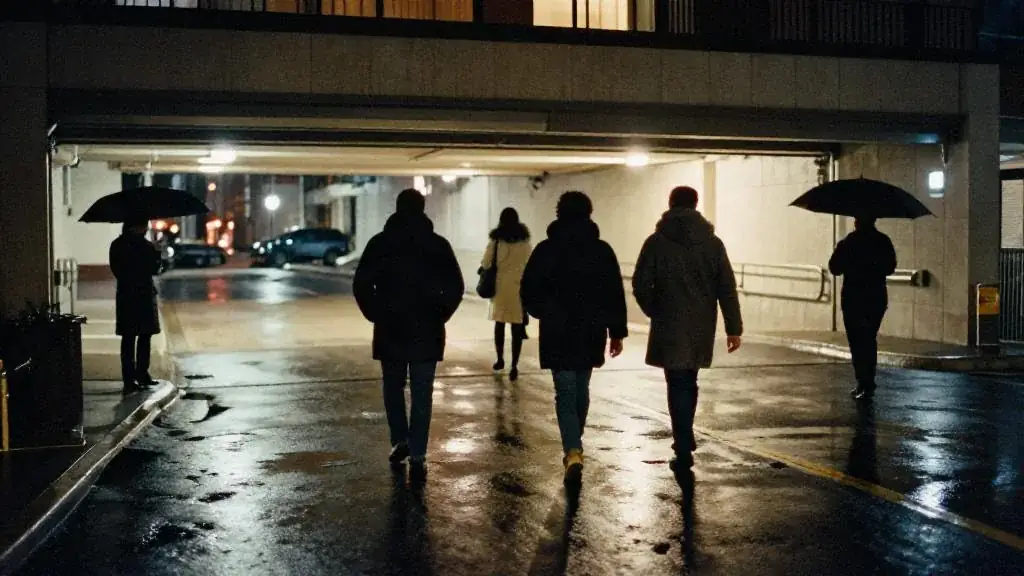
Start with where guests are coming from. Pull the postal codes from the RSVP list. A hospital foundation gala draws donors from the core, Rosedale, Forest Hill, the lakeshore and the 905; a corporate holiday party draws from wherever the staff live. The split tells you whether you need a shuttle at all.
Parking math for a downtown venue
Downtown hotels have garages, and the garage is never as big as the ballroom. Ask the venue four things: how many spaces, whether any are reserved for the event, the evening rate and whether it can be validated or pre-paid, and the height clearance. Then do the arithmetic.
- Estimate the share of guests who will drive. For a downtown evening event with transit nearby, in our experience roughly a third to a half drive; for a suburban venue it is most of them.
- Estimate guests per car. Couples and small groups push it toward two; corporate events trend closer to one and a half.
- Divide. 200 guests, 40 percent driving, two per car is 40 cars. 200 guests, 60 percent driving, 1.5 per car is 80 cars.
- Compare with the garage and the overflow. If the venue has 60 spaces and the overflow lot is two blocks away, say so on the invitation and sign the route.
- Decide who pays. Validated parking is a common sponsor benefit at a gala and a common staff benefit at a corporate event. Get the rate and the method in writing.
Add accessible parking to the count separately: how many accessible spaces, where they are, and whether the route from them to the room is step-free. If the garage’s accessible spaces are on a level with no elevator, arrange a drop-off at the step-free entrance and tell the guests who asked for it.
Transit, rideshare and the Toronto reality
Downtown Toronto is a transit city for arrivals and a rideshare city for departures. Put the nearest subway station and the walk time on the invitation; guests use it when they are told. For departures, the picture changes: at 10 p.m. the surge of 200 people leaving one hotel door at once means a line for cabs and surge pricing on apps. Three moves help. A rideshare code, arranged through the business accounts the major apps offer, sponsored or subsidized by the host, shown on the closing slide and printed on a card at coat check. A staffed taxi call at the door for guests who do not use apps. And a staggered close: dessert and coffee held after the program, bar open for 30 minutes, so the exodus spreads over an hour rather than ten minutes.
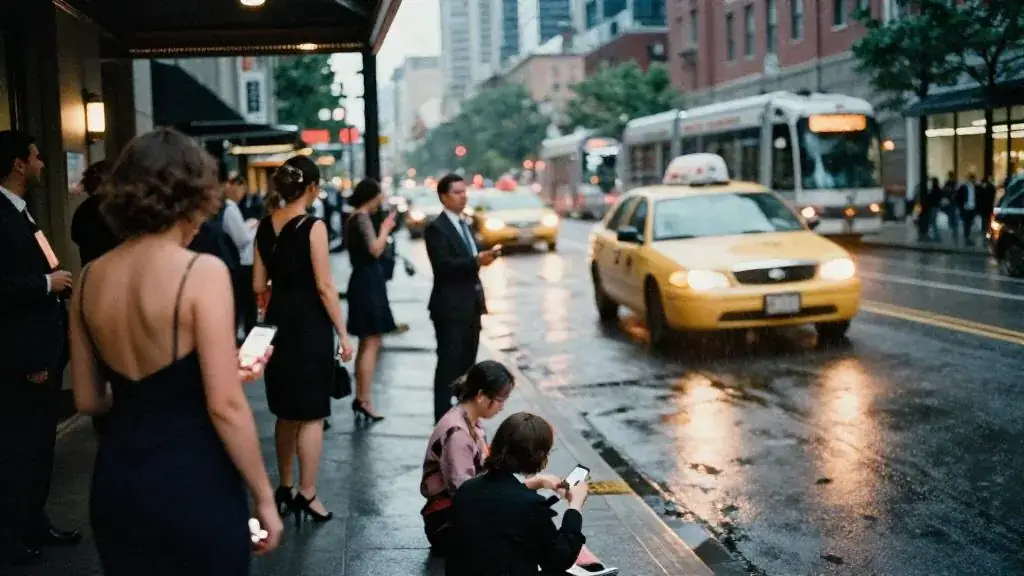
For accessibility, confirm that at least one vehicle option is wheelchair-accessible and that guests know how to request it. Wheelchair-accessible taxis exist in Toronto but are limited; a guest who needs one should be asked at RSVP and the planner should book the return ride in advance rather than leave it to the door.
Sizing a shuttle plan
A shuttle makes sense when a meaningful cluster of guests comes from one place: a corporate office, a hotel block, a suburb with poor evening transit. Size it from the RSVP data, not from the guest count.
| Step | Example |
|---|---|
| Count the cluster | 48 guests from the foundation’s hospital campus, invited to leave work together |
| Choose the vehicle | Motorcoaches typically seat around 50 to 56; minibuses roughly 20 to 30; confirm with the operator. One coach covers the cluster with no return trip |
| Set the departures | Outbound at 5:15 from the campus; return at 9:45 and 10:30 from the hotel so the early leavers and the last guests both have a ride |
| Confirm the stop | Where a coach can legally stop and wait outside the hotel at 9:45; the hotel’s doorman knows and the city’s rules on idling apply |
| Staff it | One host on the bus with the list, a radio, and the planner’s number |
| Accessibility | Ask the operator for a lift-equipped vehicle if any rider needs it; confirm in writing |
Ask the operator for a quote that covers the full window with waiting time, not a point-to-point fare. Collect the operator’s certificate of insurance like any other vendor.
Worked example: the Harbour Gala
The RSVP postal codes split roughly 55 percent downtown and midtown, 30 percent the 905, and 15 percent the hospital campus itself. The hotel garage has 110 spaces with 40 reserved for the gala at a pre-paid flat rate that the presenting sponsor covered as a benefit; the invitation named the garage entrance, the height clearance and the flat rate. Expected cars: 200 guests, about 45 percent driving, 1.8 per car, roughly 50 cars, so the 40 reserved spaces plus general spaces covered it, with the overflow garage a block north signed on the invitation anyway.
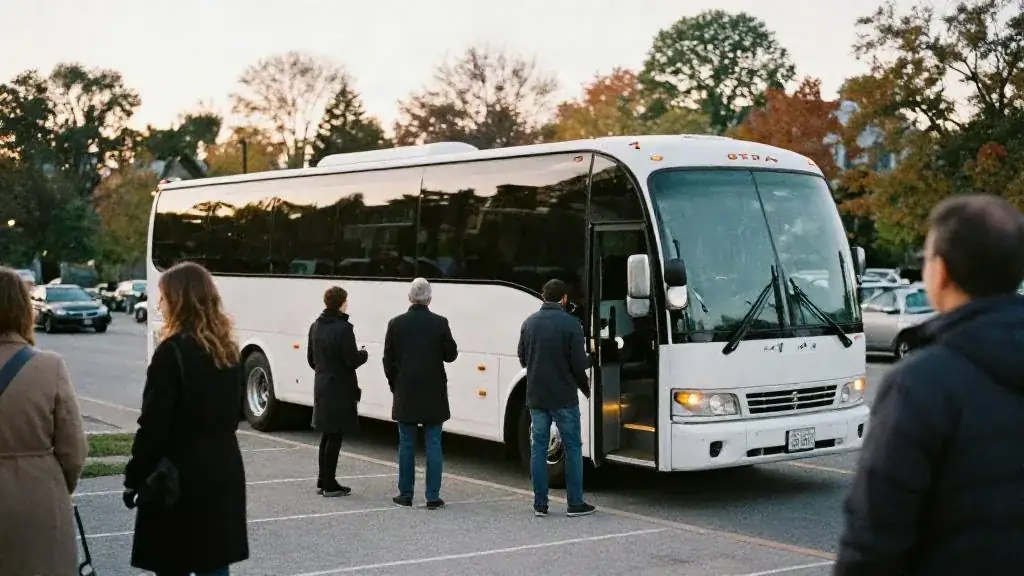
Transit: the invitation named the subway station and a four-minute walk. One 56-seat coach brought 44 campus guests from the hospital at 5:15 and returned at 9:45 and 10:30. Rideshare: the foundation set up a business-account code valid from 9:00 to 11:30 for rides from the hotel, capped per ride, shown on the closing slide and on a card at coat check. Two guests who asked at RSVP for a wheelchair-accessible return ride had cars booked by the planner for 10:00, pickup at the step-free side entrance, confirmed by text the afternoon of the event. The hotel doorman had the coach’s plate number and the two accessible pickup times on a card.
Numbers to remember
- Cars needed is guests times share driving divided by guests per car; do it with real RSVP data, not the invitation list.
- Motorcoaches typically seat around 50 to 56; confirm with the operator and quote the full window.
- Stagger the close by 30 to 60 minutes and the departure problem mostly solves itself.
- Every transport decision goes on the invitation: entrance, garage, rate, station, code.
- Book accessible return rides in advance for the guests who asked; do not leave them to the door.
Worksheet
Download the worksheet, complete it for your own event (or the running gala example), and keep it in your course binder. It takes about 10 minutes.

Check your understanding
Related guides, venues and vendors

Holiday parties that people attend
Specialist · Corporate · 15 min
Dates, budgets per head, programs, and the entertainment that works for 50 to 500 colleagues.
Read more
Venues: home, party venues, parks
Specialist · Kids' Parties · 15 min
GTA costs, what is included, and park permit basics.
Read more
The event lifecycle: six phases
Module 1: Foundations · 15 min
Discovery, concept, planning, production, execution, wrap-up. Every lesson in this course sits in one of these phases, and most failures come from…
Read more