A 120-guest Saturday wedding in Toronto lands between $45,000 and $70,000 all-in for most couples. Here is the shape of it.
Read the transcript
Toronto wedding cost breakdown (2026).
A 120-guest Saturday wedding in Toronto lands between 45,000 dollars and 70,000 dollars all-in for most couples.
Here is the shape of it.
The big three.
Venue + catering + bar: 45 to 55 percent. Downtown hotels and waterfront venues sit at the top; Vaughan and Mississauga banquet halls at the bottom with the same guest count.
Entertainment: 8 to 12 percent including DJ or band and cocktail-hour acts.
Three decisions that move the total.
Day of the week. Friday or Sunday saves 15 to 25 percent on venue minimums.
Every seat is 250 to 400 dollars all-in; twenty fewer guests pays for the band.
There is more on this page, just below the video.
The big three
- Venue + catering + bar: 45–55%. Downtown hotels and waterfront venues sit at the top; Vaughan and Mississauga banquet halls at the bottom with the same guest count.
- Photo + video: 12–15%.
- Entertainment: 8–12% including DJ or band and cocktail-hour acts.
Three decisions that move the total
- Day of the week. Friday or Sunday saves 15–25% on venue minimums.
- Guest count. Every seat is $250–$400 all-in; twenty fewer guests pays for the band.
- Bar model. Open bar vs consumption bar swings $3,000–$8,000.
Full line-by-line ranges: wedding budget guide. Split your own number: wedding budget splitter.
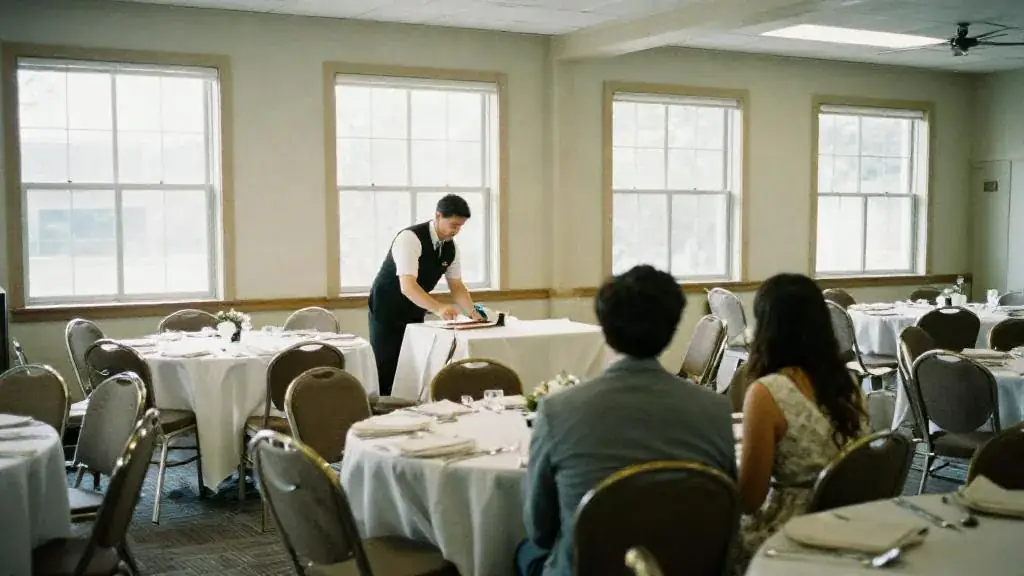
The costs that are not on the first quote
Most couples build their budget from the headline prices on venue and vendor quotes, then find the real total is noticeably higher. The difference usually comes from items that are charged on top or forgotten entirely. HST at 13% applies to most wedding goods and services in Ontario. Venues and caterers often add a service charge to food and beverage, and that charge is usually taxable too, so tax is calculated on the higher figure. Add vendor meals for the photographer, videographer, DJ and planner, cake-cutting or corkage fees if you bring your own, overtime if the party runs late, and gratuities for staff who are not covered by a service charge.
- Marriage licence, officiant fee and any ceremony-site fee if it is separate from the reception.
- Hair and makeup trials as well as the wedding-day appointments.
- Alterations, which can take several fittings.
- Transportation for the wedding party and, if the venue is outside the city, shuttles for guests.
- Stationery postage, signage and printed seating charts.
- Rentals the venue does not supply: lounge furniture, special linens, a dance floor or extra lighting.
Setting a contingency
Hold back a contingency of around five to ten percent of the total from the start, and do not allocate it to any category until you have to. Small additions such as an extra hour of photography or upgraded centrepieces quietly consume it otherwise. If you finish the planning with the contingency intact, spend it on something guests will notice, or keep it.
Paying for it on a schedule
Wedding costs arrive in waves. Deposits to secure the venue and key vendors usually come a year or more ahead, the next round of payments falls a few months out, and final balances are often due in the last two to four weeks. Map these dates in a spreadsheet so the cash is available when each payment falls due, and confirm whether vendors accept credit cards, e-transfer or only certified cheques for the final balance. The event budget sheet tracks quoted against actual costs by line.
When two families contribute
If parents or relatives are contributing, agree early whether the money is a fixed gift or tied to particular costs, and whether it comes with expectations about the guest list. Writing this down avoids misunderstandings later. The Academy lesson on wedding budgets covers how to present a budget to two families, and the cost per guest calculator shows how each additional guest changes the total.
Related guides, venues and vendors
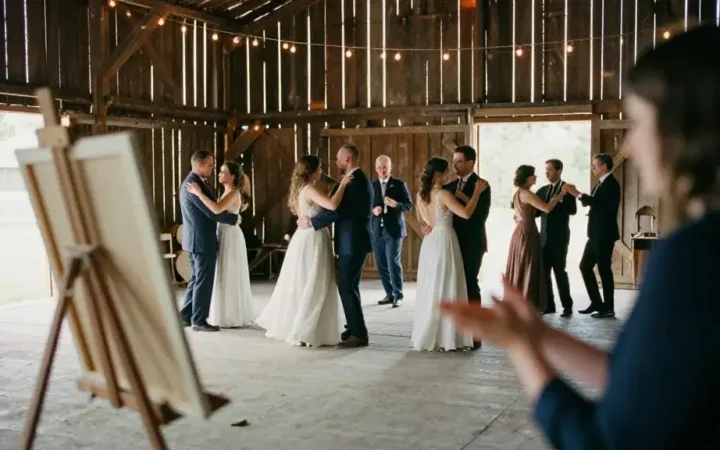
Wedding entertainment beyond the DJ
October 7, 2026 · 1 min read
Fourteen entertainment ideas for the moments a DJ cannot cover: cocktail hour, the photo gap, cultural traditions and the late-night lull.
Read more
The Coach House at Dundurn National Historic Site
Hamilton · up to 72 guests
Free parking
Dundurn Castle is a 40-room Italianate villa built in the 1830s for Sir Allan Napier MacNab, Premier of the United Canadas from…
Read more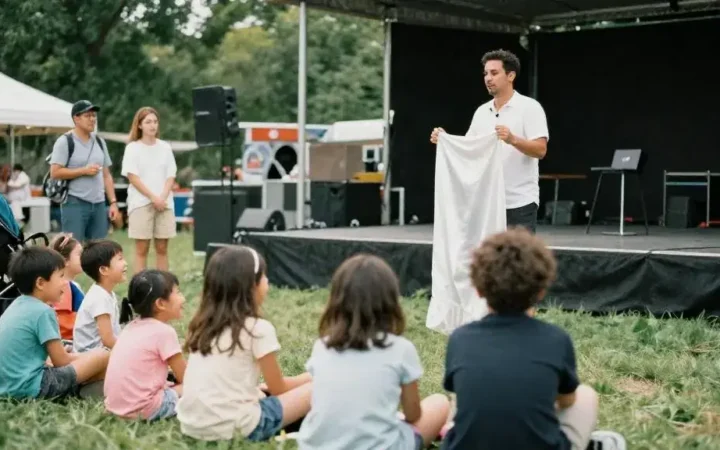
Comedy illusionist for family events · Magic Magic roster
Comedians, Entertainment, Magicians
Illusionist and comedy magician for family events, festivals and corporate parties.
Read more