Run of show template
Templates
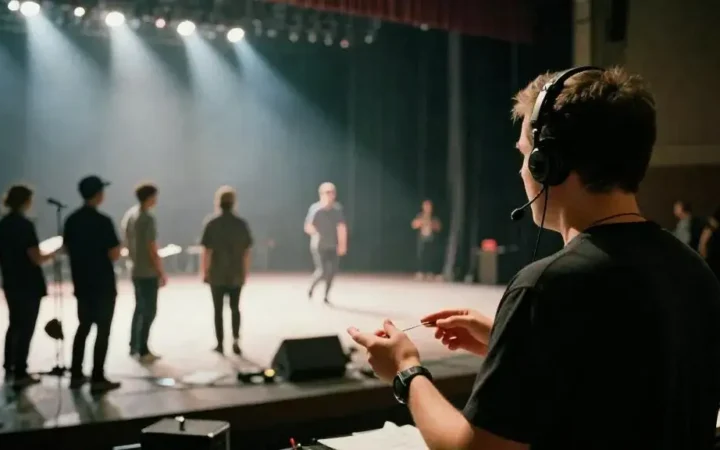
A minute-by-minute run of show with cues for AV, MC, performers and catering.
Read moreCalculators, taxes, liquor permit rules and venue searches use this location.
Templates: guides, ideas and tools from EventPlans.ca for planning events in Toronto and the GTA.
Templates
A minute-by-minute run of show with cues for AV, MC, performers and catering.
Read more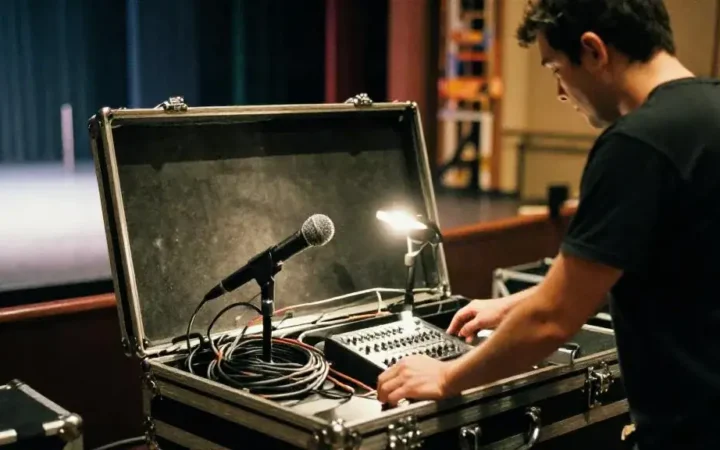
Templates
What a performer needs from the venue: stage, sound, lighting, power, dressing room, timing.
Read more
Templates
The eight-section proposal planners use to win corporate and private clients.
Read more
Templates
The clauses every vendor contract needs: scope, deposits, cancellation, force majeure, insurance, indemnity.
Read more
Templates
Ten questions that produce a usable number and a usable quote.
Read more
Templates
A printable line-item budget sheet with HST, gratuity, actual and variance columns.
Read more
Templates
Everyone on site on one printed page: role, company, cell, arrival, COI, rider, paid.
Read more
Templates
The one-page brief that stops the florist and the DJ from designing two different events.
Read more
Templates
A one-page risk register for any event: the risk, how likely, how bad, who owns it, what you do now and what…
Read more
Templates
An eight-slide sponsorship deck outline for galas, festivals and conferences, with what goes on each slide and the questions sponsors ask.
Read moreThe templates are the working documents of event planning: the proposal that wins the job, the brief that aligns the vendors, the budget sheet that tracks the money, the contact sheet and run of show that hold the day together, and the survey that tells you whether it worked. Each one is a printable outline with the sections planners actually use, written for Ontario conditions, so HST, Special Occasion Permits and certificates of insurance appear where they belong rather than as afterthoughts.
The templates follow the life of an event. The proposal template and the creative brief come first, during discovery. The vendor contract outline, budget sheet and risk register belong to the planning months. The performer tech rider, vendor contact sheet and run of show are finalised in the last few weeks. The post-event survey closes the loop. If you are new to planning, working through them in that order is a reasonable way to make sure nothing is missed.
Treat each template as a frame rather than a form. Delete sections that do not apply, but think twice before you do: the lines people want to skip, such as insurance, cancellation or rain plans, are usually the ones that matter when something goes wrong. Keep the language plain, write times in a single format, and put names and cell numbers rather than company switchboards wherever a person is responsible. A template that fits on one printed page is far more likely to be read on the day than one that runs to six.
Most problems with event documents come from people working from different copies. Date every version in the file name, send changes as a complete new copy rather than a list of edits, and nominate one person to hold the master. In the final week, print the run of show and contact sheet and bring spares, because phones die and venue Wi-Fi is not always reliable. For a full picture of what to prepare and when, the master event checklist links each template to the stage of planning where it is needed.